.jpeg)
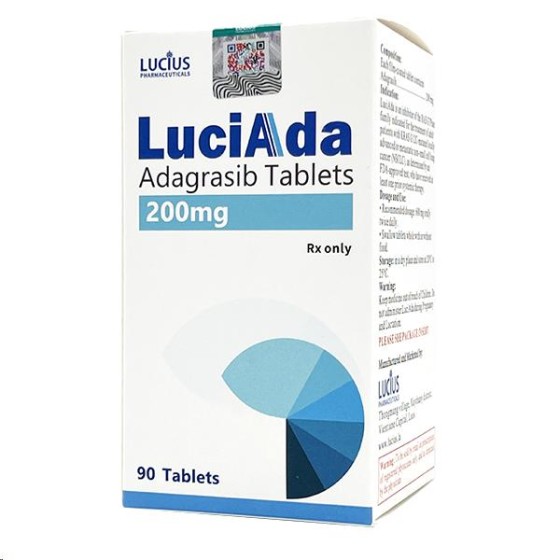
Adagrasib Medication Management Guide for Special Populations
Adagrasib is a targeted antineoplastic agent specific for the KRAS G12C mutation.Its systemic mechanism of action necessitates rigorous risk assessment and individualized management when used in special populations.This article elaborates on the medication precautions and safety principles of this drug from three dimensions:reproductive-related populations,elderly patients,and patients with underlying comorbidities.
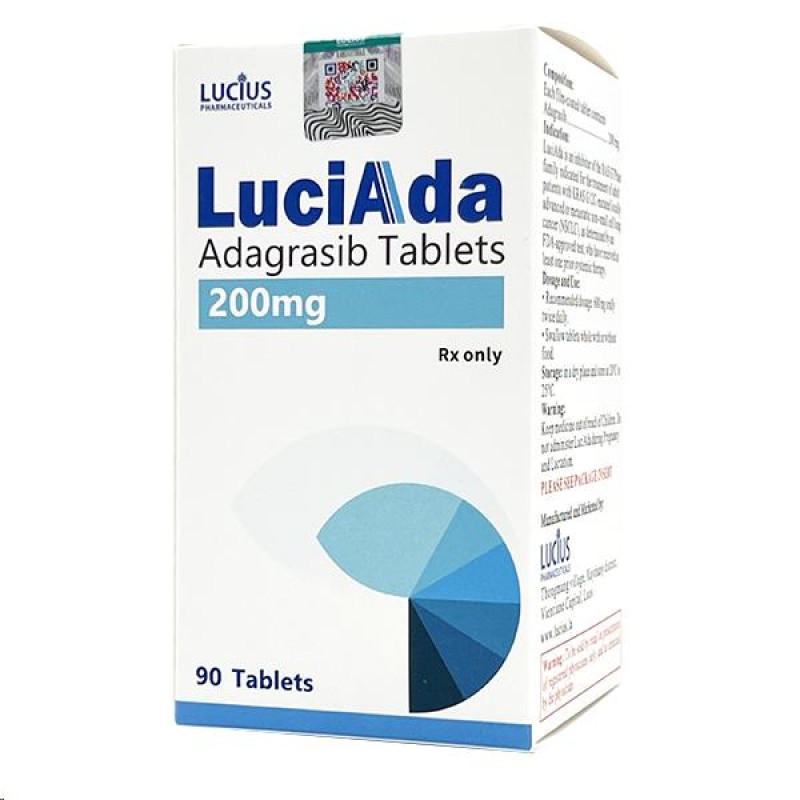
Medication Restrictions and Protection for Reproductive-Related Populations
Adagrasib carries a potential risk of reproductive toxicity.Data from animal studies indicate that the drug may adversely affect the fertility of both males and females of reproductive potential by interfering with normal germ cell function or related hormonal pathways.Therefore,patients of childbearing age should be fully informed about the long-term reproductive safety risks before initiating treatment.
Since the KRAS signaling pathway plays a crucial role in embryonic development,inhibition of this pathway may cause severe harm to normal fetal development.For this reason,Adagrasib is generally not recommended for use during pregnancy,which is a common safety principle followed for targeted antineoplastic drugs.
There is also a significant risk for lactating women using Adagrasib.Available studies show that the drug is excreted in breast milk and may cause serious adverse reactions in breastfed infants.It is recommended that women avoid breastfeeding throughout the treatment period and wait at least 1 week after the last dose before resuming breastfeeding.
To minimize the long-term impact of the drug on the reproductive system,it is strongly recommended in clinical practice that all patients of reproductive potential undergo a comprehensive reproductive assessment and risk disclosure before starting Adagrasib treatment.For patients with fertility plans,discussions with their healthcare team about whether to take preventive measures such as fertility preservation are advisable.
Medication Considerations for Elderly Patients
Due to the natural decline in physiological function,particularly reduced hepatic metabolic capacity,elderly patients may experience increased drug exposure to Adagrasib,which in turn elevates the risk and cumulative effect of adverse reactions.Therefore,when developing treatment plans for elderly patients,closer monitoring of drug response and tolerance is required,and dosage adjustments should be made promptly based on individual circumstances.
Individualized Management for Patients with Underlying Comorbidities
Adagrasib is primarily metabolized and cleared by the liver.For patients with abnormal liver function or multiple systemic underlying diseases,the drug's metabolic process may be significantly affected,increasing the risk of toxic reactions.Extreme caution is warranted when using Adagrasib in such patients.Healthcare teams should conduct a comprehensive benefit-risk assessment based on the patient's specific organ function status to develop an individualized treatment and monitoring plan.
Overall,the core principle of using Adagrasib in special populations lies in comprehensive individualized assessment.Healthcare providers must consider the patient's reproductive status,age structure,and vital organ function to maximize treatment benefits while minimizing medication risks.
[ 免责声明 ] 本页面内容来自公开渠道(如FDA官网、Drugs官网、原研药厂官网等),仅供持有医疗专业资质的人员用于医学药学研究参考,不构成任何治疗建议或药品推荐。所涉药品可能未在中国大陆获批上市,不适用于中国境内销售和使用。如需治疗,请咨询正规医疗机构。本站不提供药品销售或代购服务。