
.jpeg)
None
Canafenib (Encorafenib, also known as Encorafenib) is an oral small molecule BRAF inhibitor, mainly used to treat melanoma, colorectal cancer and some rare solid tumors carrying BRAF V600 mutations. BRAF is a kinase that plays a key role in the MAPK signaling pathway. When the V600 mutation occurs, the signal will be continuously activated, thereby promoting abnormal proliferation of tumor cells. Canafenib selectively inhibits the kinase activity of BRAF V600 mutated protein, blocks the MAPK pathway, inhibits tumor growth, and induces tumor cell apoptosis.
Canafenib has shown significant efficacy in the treatment of melanoma. When used as a single drug, clinical studies have shown that it carriesBRAF For patients with advanced melanoma with V600E or V600K mutations, after receiving canafenib treatment, most patients have a significant reduction in tumor burden, and the objective response rate (ORR) can reach 40%~50% . Compared with traditional chemotherapy, canafenib can significantly prolong progression-free survival (PFS) and overall survival (OS), especially when combined with MEK inhibitors (such as trametinib) in early treatment.
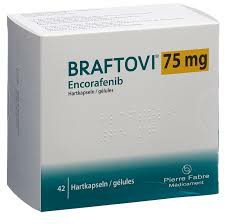
For BRAF mutation-positive advanced colorectal cancer patients, canafenib has also shown certain therapeutic effects. Since colorectal cancer is less sensitive to a single BRAF inhibitor, a combination of canafenib and EGFR inhibitors (such as cetuximab) is often used clinically. Studies have shown that this combination therapy can significantly improve the objective response rate and disease control rate, allowing some patients with advanced colorectal cancer to reduce tumor burden and improve quality of life. At the same time, this regimen is better than traditional chemotherapy in terms of tolerability, and side effects are controllable. Common ones include rash, fatigue, fever, and joint pain, most of which can be alleviated through symptomatic treatment or dose adjustment.
The advantages of canafenib in clinical application include the convenience of oral administration, clear target of action, and great potential for use in combination with other targeted drugs. When patients are treated with canafenib, individual dosage adjustments should be made according to the guidance of doctors, and hematology and imaging monitoring should be performed regularly to evaluate efficacy and safety. For patients with severe side effects or poor efficacy, doctors can adjust the combined medication strategy or change the treatment plan. Overall, canafenib has significant efficacy in the treatment of BRAF V600 mutation-related tumors. It is an important targeted drug for patients with advanced melanoma and some colorectal cancers, providing a reliable guarantee for patients to prolong their survival and improve their quality of life.
Reference materials:https://www.drugs.com/
[ 免责声明 ] 本页面内容来自公开渠道(如FDA官网、Drugs官网、原研药厂官网等),仅供持有医疗专业资质的人员用于医学药学研究参考,不构成任何治疗建议或药品推荐。所涉药品可能未在中国大陆获批上市,不适用于中国境内销售和使用。如需治疗,请咨询正规医疗机构。本站不提供药品销售或代购服务。


