
.jpeg)
How long does it take to stop taking Imatinib (Gleevec) and analysis of the safety of stopping the drug
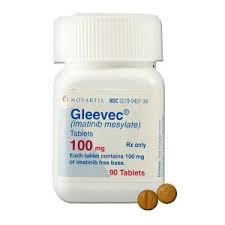
Imatinib (Imatinib) is an oral tyrosine kinase inhibitor (TKI), since pan>2001Approved for the treatment of **chronic myelogenous leukemia (CML
As for when imatinib can be discontinued, the main clinical reference is the maintenance of deep molecular remission (DMR). Generally, for patients in the chronic phase of CML, if they have been taking imatinib continuously for at least 3 years and achieve and maintain MR4 or MR4 during treatment. 5level (BCR-ABL/ABLratio ≤0.01% or ≤0.0032%) for at least two years, drug discontinuation can be considered under strict monitoring. Studies have shown that among eligible patients, approximately 40% to 50% can maintain long-term treatment-free response after drug withdrawal (Treatment-Free Remission, TFR). However, some patients will still experience molecular relapse after discontinuation of treatment and need to restart imatinib treatment. The decision to discontinue medication must comprehensively consider factors such as patient age, disease duration, comorbid underlying diseases, and drug tolerance.
The safety of drug withdrawal mainly depends on strict molecular monitoring. Guidelines recommend the first 6Monthly, review every monthBCR-ABLmolecular level; 6 to 12
During the withdrawal process, attention should also be paid to individual differences and possible adverse reactions. Some patients may experience mild blood index fluctuations, mild fatigue or other short-term symptoms after stopping the drug, but generally no special treatment is required. At the same time, psychological factors cannot be ignored. Some patients may have anxiety due to fear of recurrence. Therefore, when making decisions about drug discontinuation, doctors need to fully communicate with patients and clarify the drug discontinuation plan, monitoring frequency, and resumption plan to reduce psychological pressure and improve compliance.
It is worth noting that stopping the drug does not mean a cure. Imatinib is more of a long-term disease control strategy. For some CML patients with a longer disease course or additional high-risk mutations, discontinuation of treatment may be associated with a higher risk of relapse, so long-term treatment is still required. For young patients with stable conditions and able to undergo strict follow-up, drug discontinuation can improve the quality of life, reduce adverse drug reactions and economic burden, thereby improving the overall life experience.
In general, discontinuation of imatinib is an individualized, step-by-step strategy. Patients need to be evaluated by a professional doctor and develop a discontinuation plan on the premise of achieving deep molecular remission, maintaining stability, and being able to cooperate with regular monitoring. During the period of drug withdrawal, regular hematological and molecular review is the core measure to ensure safety and efficacy. Once there are signs of recurrence, medication should be resumed immediately to ensure that the condition is controllable. Through scientific management and strict follow-up, many CML patients can maintain no response to treatment for a long time after drug withdrawal, while reducing drug side effects and life burden, making it possible to achieve high-quality survival.
Reference materials:https://www.drugs.com/
[ 免责声明 ] 本页面内容来自公开渠道(如FDA官网、Drugs官网、原研药厂官网等),仅供持有医疗专业资质的人员用于医学药学研究参考,不构成任何治疗建议或药品推荐。所涉药品可能未在中国大陆获批上市,不适用于中国境内销售和使用。如需治疗,请咨询正规医疗机构。本站不提供药品销售或代购服务。


