
.jpeg)
Clinical efficacy and patient feedback of pirfenidone (Aisri) in the treatment of pulmonary fibrosis
Pirfenidone (Pirfenidone) is an oral anti-fibrotic drug mainly used to treat idiopathic pulmonary fibrosis (IPF). Its mechanism of action includes inhibiting the transforming growth factor -β (TGF-β) signaling pathway, reducing the levels of inflammatory mediators and inhibiting fibroblast proliferation, thereby slowing down the process of lung tissue fibrosis. In recent years, with the update of diagnostic and treatment guidelines for IPF, pirfenidone has gradually become an important drug for the treatment of pulmonary fibrosis at home and abroad, providing patients with new treatment options.
Clinical studies have shown that pirfenidone is effective in slowing down the decline of lung function. In a multi-center, randomized, double-blind controlled study, after one year of pirfenidone treatment for IPF patients, the decline in lung function indicators such as FVC (forced vital capacity) was significantly slowed down, and lung function remained more stable compared with the placebo group. This means that the progression of symptoms such as dyspnea and reduced exercise tolerance in daily life is delayed. At the same time, long-term follow-up data show that pirfenidone can reduce the incidence of acute exacerbation of IPF patients and improve the progression-free survival rate, providing a scientific basis for patients to extend their survival.
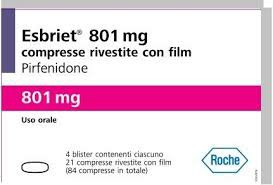
Based on patient feedback, pirfenidone is also helpful in improving quality of life. Most patients will experience mild gastrointestinal reactions, such as nausea, loss of appetite, or stomach discomfort at the beginning of use, but these are usually relieved after dose adjustment or divided administration. Some patients reported that after taking the medicine for 3 to 6 months, their respiratory symptoms were relieved and their daily activity tolerance increased, especially in patients with mild to moderate IPF. Patients generally believe that although drugs cannot completely cure pulmonary fibrosis, they can effectively slow down the progression of the disease and provide a feasible solution for long-term management.
However, pirfenidone also has individual differences in tolerance, and it is necessary to strictly follow the doctor's instructions for individualized treatment. Some patients may develop rashes, photosensitivity reactions or abnormal liver function during treatment. Therefore, liver function should be monitored regularly and sun protection measures should be taken during medication. In addition, patients should maintain regular review during use, evaluate changes in lung function and drug side effects, and combine respiratory rehabilitation training and lifestyle intervention, such as smoking cessation, moderate exercise and nutritional support, to obtain the best effect.
Overall, pirfenidone has shown significant effects in slowing down the decline of lung function, reducing the risk of acute exacerbation, and prolonging survival in the clinical application of idiopathic pulmonary fibrosis. Patient feedback shows that the drug can improve daily endurance and quality of life to a certain extent, but individualized tolerance and side effect management still need to be paid attention to. In the future, with the accumulation of more long-term studies and real-world data, the efficacy and safety of pirfenidone in the treatment of pulmonary fibrosis will be further verified, providing more scientific and sustainable treatment options for patients.
Reference materials:https://www.drugs.com/
[ 免责声明 ] 本页面内容来自公开渠道(如FDA官网、Drugs官网、原研药厂官网等),仅供持有医疗专业资质的人员用于医学药学研究参考,不构成任何治疗建议或药品推荐。所涉药品可能未在中国大陆获批上市,不适用于中国境内销售和使用。如需治疗,请咨询正规医疗机构。本站不提供药品销售或代购服务。


