
.jpeg)
What are the possible side effects and hazards of Sorafenib/Nexavar?
Sorafenib/Nexavar (Sorafenib), as a multi-target tyrosine kinase inhibitor, can simultaneously inhibit the growth signaling and angiogenesis pathways of tumor cells, thereby significantly delaying the progression of cancers such as hepatocellular carcinoma, renal cell carcinoma, and thyroid cancer. However, like other targeted drugs, while sorafenib exerts its anti-cancer effect, it may also bring about a series of side effects and safety risks related to its mechanism of action. Understanding these adverse reactions can help patients collaborate with their doctors during treatment and scientifically manage the discomfort caused by drugs.
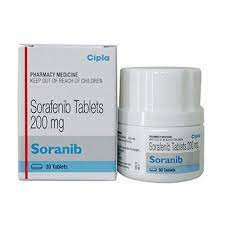
One of the most common adverse reactions is "Hand-foot skin reaction", which is redness, swelling, pain, peeling and even cracking on the palms and soles of the feet. This is related to the drug's inhibition of angiogenesis. Although most of them are mild to moderate, if not treated in time, they may affect the patient's quality of life. Doctors usually advise patients to moisturize their skin during treatment and avoid high-intensity friction to reduce the occurrence of reactions.
Secondly, gastrointestinal reactions such as diarrhea, loss of appetite and nausea are also common side effects. Because sorafenib has a certain inhibitory effect on gastrointestinal mucosal cells, patients may experience mild digestive discomfort. Doctors usually adjust dosage or supplement symptomatic treatment based on symptoms. In addition, sorafenib may cause weight loss and fatigue, which is a comprehensive result of its impact on energy metabolism and liver function. Long-term users should regularly monitor their weight and nutritional status.
Cardiovascular-related risks are also a focus of clinical attention. Some patients may develop hypertension or arrhythmias due to vascular reactions caused by VEGFR inhibition. Therefore, it is important to monitor blood pressure and EKG during medication. Another risk to be aware of is abnormal liver function, especially in patients with liver cancer, and concomitant use with other hepatotoxic drugs should be avoided. In international guidelines, doctors often adjust dosages based on patient tolerance to balance efficacy with side effects. Most adverse reactions can be relieved after stopping the drug or reducing the dose.
Reference materials:https://www.nexavar.com/
[ 免责声明 ] 本页面内容来自公开渠道(如FDA官网、Drugs官网、原研药厂官网等),仅供持有医疗专业资质的人员用于医学药学研究参考,不构成任何治疗建议或药品推荐。所涉药品可能未在中国大陆获批上市,不适用于中国境内销售和使用。如需治疗,请咨询正规医疗机构。本站不提供药品销售或代购服务。


