
.jpeg)
Correct usage, dosage and precautions of Clofazimine/Sempra
Clofazimine (Clofazimine) is a classic anti-leprosy drug. Its usage and dosage need to be strictly followed by the doctor's instructions. In general, clofazimine is used in combination with other anti-leprosy drugs to prevent the development of drug resistance and improve treatment effectiveness. For various types of dapsone-resistant leprosy, the conventional dose is 50 to 100 mg orally, once a day, and used together with another or more anti-leprosy drugs.
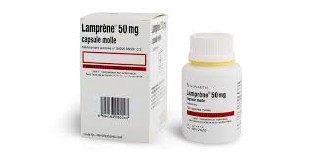
In patients with erythematous nodular lepromatous reactions, the dose of clofazimine may need to be increased to 100 to 300 mg to help control the inflammatory response and reduce dependence on glucocorticoids such as prednisone. After the symptoms are gradually relieved, the dose can be gradually reduced to 100mg per day to avoid the side effects caused by long-term high doses. It is worth noting that the drug needs to accumulate to a sufficient concentration in the tissue, and it usually takes more than two months of continuous medication to show a stable effect. Therefore, patients need to be patient and strictly adhere to the treatment course.
For dapsone-sensitive leprosy, clofazimine is often used in combination with two other anti-leprosy drugs. The three-drug combination treatment is recommended to last for at least two years until the skin smear bacteriological examination results turn negative, and then gradually reduce the types of drugs used. The purpose of this is to reduce recurrence rates and ensure complete eradication of residual pathogens. For adult patients, the maximum daily dose should not exceed 300mg to reduce the risk of drug deposition. At present, there is no unified conclusion on the dosage in children, so it is generally not recommended to use it for pediatric treatment.
In terms of precautions, clofazimine may cause skin pigmentation, making the patient's skin appear brownish-red or dark red. This is a relatively common characteristic drug reaction that usually does not endanger health, but may affect appearance. Some patients may also experience gastrointestinal discomfort, such as nausea, abdominal pain, or loss of appetite, so it is recommended to take it with a meal to reduce irritation.
Reference materials:https://www.novartis.com/our-products/pipeline/clofazimine
[ 免责声明 ] 本页面内容来自公开渠道(如FDA官网、Drugs官网、原研药厂官网等),仅供持有医疗专业资质的人员用于医学药学研究参考,不构成任何治疗建议或药品推荐。所涉药品可能未在中国大陆获批上市,不适用于中国境内销售和使用。如需治疗,请咨询正规医疗机构。本站不提供药品销售或代购服务。


