
.jpeg)
How long should you use ruxolitinib cream (Opzelura) and long-term medication observation guidance?
Ruxolitinib cream (Opzelura) is a topical JAK inhibitor commonly used for vitiligo and mild to moderate atopic dermatitis. It is generally recommended to apply once a day in the morning and evening, and apply evenly to the affected area. For atopic dermatitis, the course of treatment is usually 6—8 weeks. Most patients can significantly relieve itching and inflammation after a few weeks of continuous use. However, patients with vitiligo have slower pigment recovery and often need continuous use for more than 3 months, or even half a year, before they can gradually see skin pigment regeneration.
Since vitiligo and atopic dermatitis are both chronic diseases, some patients may require a longer course of treatment or even long-term maintenance treatment. The study found that patients with vitiligo had more obvious pigment recovery after continuous medication for more than 24 weeks; patients with atopic dermatitis also saw a significant reduction in recurrence rate during intermittent maintenance treatment. Therefore, the use time of ruxolitinib cream is not fixed, but is determined according to the individual condition and efficacy. Patients should follow the guidance of their doctor for individualized adjustments.
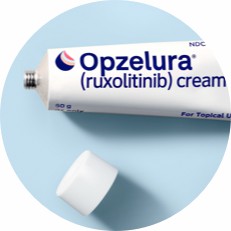
During long-term topical use of ruxolitinib cream, attention needs to be paid to monitoring for adverse reactions. Common side effects include localized erythema, itching, or mild irritation, and most symptoms are tolerated and resolve spontaneously. Although absorption for topical use is limited, if it is used over a large area for a long time, you still need to be alert to possible systemic effects, such as mild immunosuppression or hematological abnormalities. Therefore, doctors usually recommend that patients regularly review blood routine and liver and kidney function during long-term use to ensure safety.
When the skin symptoms are significantly improved or the condition enters the remission period, the patient can gradually reduce the frequency of medication under the guidance of a doctor and switch to intermittent maintenance instead of suddenly stopping the medication. This can not only reduce the risk of recurrence, but also reduce the incidence of long-term adverse reactions. At the same time, patients also need to cooperate with daily skin care, such as sun protection, moisturizing and avoiding contact with irritating items, to consolidate the curative effect. In general, the treatment schedule of ruxolitinib cream needs to vary from person to person, and long-term use must be carried out scientifically under the supervision and guidance of a doctor.
Reference materials:https://www.drugs.com/
[ 免责声明 ] 本页面内容来自公开渠道(如FDA官网、Drugs官网、原研药厂官网等),仅供持有医疗专业资质的人员用于医学药学研究参考,不构成任何治疗建议或药品推荐。所涉药品可能未在中国大陆获批上市,不适用于中国境内销售和使用。如需治疗,请咨询正规医疗机构。本站不提供药品销售或代购服务。


