
.jpeg)
What are the contraindications of Imatinib (Gleevec) and medication warnings?
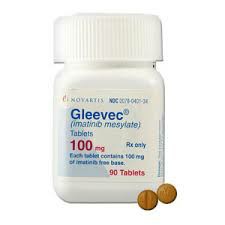
Imatinib (Imatinib), also often called "Gleevec", is a small molecule tyrosine kinase inhibitor (TKI). It was first used to treat Philadelphia chromosome-positive chronic myelogenous leukemia (CML), and is also suitable for gastrointestinal stromal tumors (GIST) and other rare tumors. As the world's first targeted therapy drug, the emergence of imatinib has significantly improved the survival rates of patients with hematological malignancies and some solid tumors. However, despite the definite efficacy of imatinib, there are still certain contraindications and medication risks during use, which must be paid attention to.
1. Main contraindications of imatinib
1.Those who are allergic to imatinib or any of its ingredients
If the patient has a clear history of allergy to imatinib or drug excipients, such as allergic reactions such as rash, dyspnea, laryngeal edema, etc., its use should be prohibited. Once an allergic reaction occurs, it can be life-threatening.
2.Patients with severe hepatic insufficiency
Imatinib is mainly metabolized by the liver. For patients with severe liver damage, the clearance ability of the drug is greatly reduced, which may lead to drug accumulation and toxic side effects. Therefore, patients with severe hepatic insufficiency should not use it or should use it with extreme caution.
3.Pregnant and lactating women
Imatinib may cause teratogenic or toxic effects on the embryo, and studies have shown that the use of imatinib during pregnancy is associated with an increased risk of fetal malformations. Use during lactation may also affect the baby through milk excretion, so it is generally not recommended for pregnant women and lactating women. If medication is indeed necessary, the risks and benefits must be strictly assessed.
4.Limitations in Pediatric Patients
Although imatinib is used in the treatment of some childhood leukemias, its long-term effects on bone development are not fully understood. For children who are still in the developing period, they must be used under the strict guidance of a specialist, and their growth and development need to be evaluated regularly.
2. Medication warnings and precautions
1.Liver function monitoring
Imatinib is mainly metabolized by the liver in the body, and its use may cause abnormal liver function or even liver failure. Therefore, patients need to undergo liver function tests before taking medication, and monitor ALT, AST, bilirubin and other indicators regularly during medication. Once an obvious increase occurs, the medication should be stopped or the dose should be reduced immediately, and treatment should be carried out under the guidance of a doctor.
2.Kidney function and risk of fluid retention
Imatinib can cause edema, weight gain, pleural or pericardial effusion, and in severe cases, heart failure. Use with caution and monitor body weight and fluid balance in patients with abnormal renal function, cardiac disease, or advanced age. If you notice unexplained edema or difficulty breathing, seek medical attention immediately.
3.Hematological adverse reactions
One of the common adverse reactions of imatinib is bone marrow suppression, manifested as leukopenia, anemia or thrombocytopenia. This may increase the risk of infection and bleeding. Patients need to undergo regular blood tests during medication, and adjust the dose or temporarily stop medication if necessary.
4.Gastrointestinal reactions
Imatinib may cause nausea, vomiting, diarrhea, and abdominal pain. To reduce gastrointestinal discomfort, it is recommended to take it with food and drink plenty of fluids. If symptoms are severe, you should consult your doctor and adjust the dose or give symptomatic treatment if necessary.
5.Adverse skin reactions
Imatinib sometimes causes rash and itching, and in severe cases, severe drug rash such as Stevens-Johnson syndrome. In the event of extensive rash or mucosal damage, discontinue medication immediately and seek medical help.
6.Drug interactions
Imatinib is mainly metabolized byCYP3A4 and may interact with other drugs metabolized by this enzyme system. For example, coadministration with CYP3A4 inhibitors such as ketoconazole and erythromycin may increase the plasma concentration of imatinib, leading to enhanced toxicity; coadministration with CYP3A4 inducers such as rifampicin may reduce the efficacy. Therefore, patients should truthfully inform their doctors of all prescription drugs, over-the-counter drugs and health care products they are using while taking imatinib.
7. Fertility and reproductive health warnings
Male patients are advised to take effective contraceptive measures while using imatinib to reduce possible effects on their spouse and fetus. Female patients must use strict contraception during medication. If you plan to become pregnant after stopping the drug, you should evaluate the best time under the guidance of a doctor.
8. Long-term medication and compliance issues
Imatinib usually needs to be taken long-term or even lifelong, especially in patients with chronic myelogenous leukemia. Stopping medication at will or missing doses may lead to disease recurrence or even drug resistance. Therefore, patients should maintain good compliance, follow up regularly, and monitor efficacy and safety according to the doctor's recommendations.
3. Medication warnings for special groups
1.Elderly patients
Elderly patients are often accompanied by multiple underlying diseases and have reduced liver and kidney function reserves, so they need to be more cautious when taking medications. You should start with a low dose, gradually adjust, and closely observe adverse reactions.
2.Patients with heart disease
In patients with pre-existing heart failure or cardiac dysfunction, imatinib may increase the risk of worsening cardiac function. Therefore, cardiac ultrasound and electrocardiogram monitoring should be strengthened.
3.Patients with co-infections
Imatinib may cause a decrease in immune function and increase the risk of infection. For patients with active infection, use should be considered after the infection is controlled.
Imatinib (Imatinib), as a milestone drug in targeted therapy, is of great significance in the treatment of chronic myelogenous leukemia and gastrointestinal stromal tumors. But it doesn't work for all patients. People with allergies, pregnant women, and people with severe liver dysfunction are contraindicated and should avoid use. Other patients must also be alert to potential risks such as liver function damage, bone marrow suppression, fluid retention and drug interactions during medication.
Reference materials:https://www.drugs.com/
[ 免责声明 ] 本页面内容来自公开渠道(如FDA官网、Drugs官网、原研药厂官网等),仅供持有医疗专业资质的人员用于医学药学研究参考,不构成任何治疗建议或药品推荐。所涉药品可能未在中国大陆获批上市,不适用于中国境内销售和使用。如需治疗,请咨询正规医疗机构。本站不提供药品销售或代购服务。


