
.jpeg)
Analysis of the effect and applicable population of capmatinib (Tourad) postoperative adjuvant therapy
Capmatinib (Capmatinib) is a highly selective MET tyrosine kinase inhibitor, mainly used for the treatment of MET patients with non-small cell lung cancer (NSCLC) with skipping mutations or MET amplification in span>Exon14. In recent years, with the widespread application of molecular classification in the treatment of lung cancer, capmatinib has not only shown good efficacy in the treatment of advanced or metastatic lung cancer, but its potential value in postoperative adjuvant therapy has also gradually received attention. By inhibiting the MET signaling pathway of residual tumor cells, capmatinib helps reduce the risk of postoperative recurrence and extend disease-free survival (DFS).
In terms of the effect of postoperative adjuvant therapy, clinical studies and real-world data have shown that for early-stage NSCLC patients carrying MET mutations, capmatinib can be used as adjuvant therapy after surgical resection, which can significantly inhibit the growth of residual tumor cells and delay the recurrence of the disease. Compared with traditional chemotherapy, capmatinib is more targeted, has relatively fewer side effects, and is well tolerated by patients. Some studies also suggest that adjuvant capmatinib treatment can improve the overall survival (OS) trend of patients, providing an effective molecular targeted treatment option for people at high risk of recurrence.
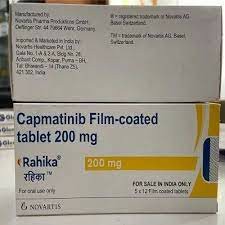
In terms of adaptability to the population, the postoperative adjuvant use of capmatinib is mainly targeted at patients with non-small cell lung cancer diagnosed with METex14 skipping mutations or high-level MET amplification, especially intermediate and high-risk patients at IIB stage and above. In addition, patients who have not received targeted therapy before surgery and have negative postoperative margins but potential minimal residual disease may also benefit from adjuvant treatment with capmatinib. In specific applications, it is necessary to clarify the patient's genetic status through NGS and other molecular testing methods to ensure the accuracy and effectiveness of treatment.
In terms of safety, capmatinib postoperative adjuvant therapy is generally well tolerated. Common adverse reactions include peripheral edema, nausea, abnormal liver function and fatigue, most of which are mild to moderate and can be alleviated through dose adjustment or symptomatic treatment. For patients with weak constitution after surgery, it is recommended to gradually adjust the medication regimen under the guidance of a doctor, and closely monitor changes in liver function and imaging to ensure both safety and efficacy. Overall, capmatinib, as postoperative adjuvant therapy, provides a new treatment path for patients with specific molecular subtypes of lung cancer, which is expected to reduce the risk of recurrence and improve long-term prognosis.
Reference materials:https://www.drugs.com/
[ 免责声明 ] 本页面内容来自公开渠道(如FDA官网、Drugs官网、原研药厂官网等),仅供持有医疗专业资质的人员用于医学药学研究参考,不构成任何治疗建议或药品推荐。所涉药品可能未在中国大陆获批上市,不适用于中国境内销售和使用。如需治疗,请咨询正规医疗机构。本站不提供药品销售或代购服务。


