
.jpeg)
Safety data sharing of Platinib (Pujihua) in patients of different ages
Pralsetinib (Pralsetinib) is a selective RET inhibitor, mainly used to treat non-small cell lung cancer and thyroid cancer related to RET gene fusion or mutation. There are certain differences in safety data when patients of different ages receive this drug. Overall, Platinib has shown good tolerability in young patients, middle-aged patients and elderly patients. However, due to different underlying health conditions and concomitant diseases, the focus of safety monitoring is also different.
In young patients (<40 years old), the adverse reactions of platinib are mostly mild to moderate. Common side effects include hypertension, abnormal liver function, anemia and gastrointestinal discomfort. Such patients have strong physical recovery capabilities, and most adverse reactions can be effectively controlled through dose adjustment or supportive treatment. Therefore, patients in this age group are usually able to maintain treatment for a longer period of time and achieve stable results.
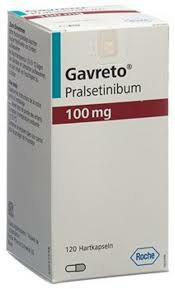
For middle-aged and elderly patients (40–65 years old), because they may be complicated by underlying diseases such as hypertension, diabetes, or cardiovascular disease, the adverse reactions of platinib need to focus more on the cardiovascular system and liver and kidney function. For example, some patients may experience increased blood pressure or abnormal transaminases during treatment. In clinical practice, it is recommended to regularly monitor blood pressure, liver and kidney function, and blood routine in order to detect problems in time and take intervention measures to ensure the long-term safe use of drugs in this population.
In elderly patients (≥65 years old), safety data indicate that platinib can still be used, but the incidence and severity of drug-related adverse events are relatively high. Such patients have reduced drug metabolism and poor tolerance, especially in terms of bone marrow suppression and increased risk of cardiovascular adverse reactions. Therefore, doctors need to be more individualized when formulating treatment plans, usually starting with low doses, and strengthening monitoring and follow-up to balance efficacy and safety. Overall, platinib has an acceptable safety profile in patients of different age groups, but individualized management is crucial.
Reference materials:https://www.drugs.com/
[ 免责声明 ] 本页面内容来自公开渠道(如FDA官网、Drugs官网、原研药厂官网等),仅供持有医疗专业资质的人员用于医学药学研究参考,不构成任何治疗建议或药品推荐。所涉药品可能未在中国大陆获批上市,不适用于中国境内销售和使用。如需治疗,请咨询正规医疗机构。本站不提供药品销售或代购服务。


