
.jpeg)
Sotorasib (AMG 510) vs immunotherapy: Which is better for KRAS mutations?
Sotorasib (Sotorasib, AMG 510) is an oral small molecule targeted drug specifically targeting KRAS G12C mutation, which is more common in patients with non-small cell lung cancer (NSCLC). Traditionally, KRAS mutations have been considered “undruggable” targets, and immunotherapy is an important treatment for patients with KRAS mutations. However, not all patients with KRAS mutations respond well to immunotherapy. With the emergence of sotorasiib, people with KRAS G12C mutations have a more precise targeting option in addition to immunotherapy.
In terms of efficacy, sotoraxib has shown good objective response rate (ORR) and disease control rate (DCR) in clinical trials. For example, in the CodeBreaK 100 study, patients with KRAS who had previously received systemic therapy In patients with advanced G12C mutated NSCLC, the objective response rate of sotoracib is approximately 37%, and the median progression-free survival (PFS) is 6.8 months. The efficacy of immunotherapy depends on factors such as PD-L1 expression and tumor mutation load (TMB). Patients with high PD-L1 may get better responses, while the efficacy of people with low PD-L1 expression is relatively limited.
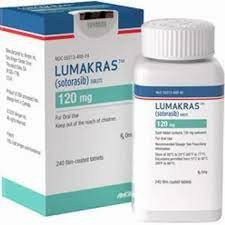
From the perspective of the applicable population, immunotherapy is suitable for patients with PD-L1high expression or TMBhighKRAS mutation, and has a chance of achieving long-term remission. For patients with low PD-L1 expression or unsatisfactory immunotherapy effects, sotorasib is more suitable as a precision treatment option. In addition, after the failure of immunotherapy or chemotherapy, sotorasib has also shown relatively stable efficacy as a second-line or even third-line treatment, providing more treatment options.
In terms of safety, the main adverse reactions of sotorasiib are diarrhea, elevated transaminases, nausea and fatigue, which are usually mild to moderate and can be alleviated by adjusting the dose or symptomatic treatment. Immunotherapy may cause immune-related adverse reactions, such as pneumonia, hepatitis and endocrine abnormalities, some of which are serious and require close monitoring and hormonal intervention. Generally speaking, for patients with KRAS G12C mutations, sotoraxib has advantages in speed and accuracy of onset of action, while immunotherapy is more suitable for people with positive specific biomarkers, and is often selected comprehensively based on individual conditions in clinical practice.
Reference materials:https://www.drugs.com/
[ 免责声明 ] 本页面内容来自公开渠道(如FDA官网、Drugs官网、原研药厂官网等),仅供持有医疗专业资质的人员用于医学药学研究参考,不构成任何治疗建议或药品推荐。所涉药品可能未在中国大陆获批上市,不适用于中国境内销售和使用。如需治疗,请咨询正规医疗机构。本站不提供药品销售或代购服务。


