
.jpeg)
Research progress on the possibility of capmatinib (Touradida) treating other types of cancer
Capmatinib (capmatinib) is a selective MET inhibitor originally approved to treat the presence of MET exon 14Skip mutation non-small cell lung cancer (NSCLC), but in recent years researchers have gradually expanded its application to explore other tumor types. Since the MET signaling pathway is abnormally activated in a variety of malignant tumors, such as gastric cancer, liver cancer, biliary tract cancer, and glioblastoma, capmatinib is considered to have potential therapeutic value in these tumors. Early laboratory studies and animal model results show that the drug can effectively inhibit the proliferation of tumor cells carrying MET amplification or fusion, laying the foundation for subsequent clinical research.
In terms of gastric cancer, some studies have found that MET gastric cancer patients with gene amplification may have a certain response to capmatinib. Some early phase I/II clinical trials have shown that capmatinib may result in short-term tumor shrinkage and disease control in patients with high copy number MET amplifications. In addition, in hepatocellular carcinoma and biliary tract cancer, there are sporadic case reports indicating that the use of capmatinib in patients with obvious MET abnormalities can achieve disease stabilization or even partial remission, showing certain potential for clinical application.
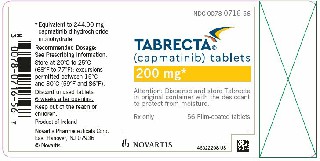
It is worth noting that capmatinib is also being explored in central nervous system tumors such as glioma. Because the drug has a certain ability to penetrate into the central nervous system, for cases of MET-driven glioblastoma, there have been case reports showing shrinkage of lesions and improvement of symptoms after treatment. This suggests that capmatinib may become a new option for some patients with rare or drug-resistant tumors. Especially in the absence of effective standard treatments, it is of great significance to accurately screen patients with MET abnormalities.
However, the sample sizes of these exploratory studies are currently limited, and most are still in the early stages, and the stability and reproducibility of the efficacy have yet to be verified. At the same time, the biological characteristics of MET abnormalities in different tumors are different, and the single-agent efficacy of capmatinib may not be as prominent as in lung cancer. Therefore, it is necessary to further clarify its positioning and optimal use in other cancers through large-scale clinical trials and combination treatment strategies in the future.
Reference materials:https://www.drugs.com/
[ 免责声明 ] 本页面内容来自公开渠道(如FDA官网、Drugs官网、原研药厂官网等),仅供持有医疗专业资质的人员用于医学药学研究参考,不构成任何治疗建议或药品推荐。所涉药品可能未在中国大陆获批上市,不适用于中国境内销售和使用。如需治疗,请咨询正规医疗机构。本站不提供药品销售或代购服务。


