
.jpeg)
Analysis of the differences in treatment strategies between sotoracib (AMG 510) and osimertinib
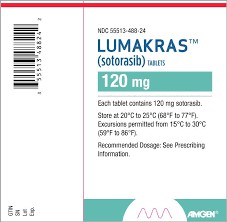
Sotorasib (Sotorasib, AMG 510) and osimertinib (Osimertinib) are two representative targeted drugs, targeting different molecular targets respectively: Sotorasib is mainly used to treat KRAS G12Cmutation-positive non-small cell lung cancer (NSCLC), while osimertinib is a third-generation EGFR-TK I, mainly for patients with EGFR sensitive mutations and T790M resistant mutations. There are significant differences in treatment strategies between the two, covering many aspects such as target mechanism, clinical use stage, efficacy characteristics, and drug resistance strategies.
First of all, in terms of mechanism of action and indications, sotoracib is the first KRAS G12C inhibitor approved by the FDA. KRAS mutation has long been considered an "undruggable" target. It was not until the advent of Sotorasib that this situation was broken. It binds irreversibly to the GDP binding pocket of KRAS G12C mutant protein, fixing KRAS in an inactive state, thereby inhibiting tumor signaling pathways. The drug is mainly used for patients with advanced non-small cell lung cancer who have previously received systemic treatment and carry KRAS G12C mutations. In comparison, osimertinib is a third-generation EGFR targeted drug that can inhibit EGFR sensitive mutations (such as 19 exon deletions, L858R) and and drug-resistant mutation T790M, which is currently the standard treatment option for patients with advanced EGFR mutation NSCLC first-line treatment and T790M positive patients. It is characterized by clear targets, wide applicable population, and mature clinical efficacy.
Secondly, there are obvious time points differences between the two in terms of clinical use strategies. Osimertinib can be used as first-line treatment, and its efficacy is stable. The median PFS (progression-free survival time) can reach about 18.9 months, and even exceeds two years in some patients; in addition, it has outstanding advantages in controlling brain metastases. Sotorasiib is currently mainly used for second-line or later-line treatment after previous treatment failure, and its median PFS is approximately 6.8months, ORR (objective response rate) is about 37%. Although not as stable as osimertinib in the first-line setting, sotoracib provides a breakthrough treatment option for patients with KRAS G12C mutations who lack other effective treatments, changing the long-term lack of targeted drugs.
Thirdly, there are also differences in resistance mechanisms and follow-up strategies. The resistance mechanisms of osimertinib are relatively clear, includingEGFR C797Smutation, METamplification, HER2amplification, transdifferentiation and other alternative pathway activations. There are corresponding follow-up treatments or clinical trials underway for some mechanisms, such as MET inhibitor combination therapy. The research on the resistance mechanism of sotoraxib is still ongoing. It has been found that some patients have new secondary mutations in KRAS or activation of downstream signaling pathways, such as NRAS, BRAF, MAPK pathways, etc., leading to the occurrence of drug resistance. Clinically, the treatment of sotorasib resistance is still based on clinical trials and individualized plans, and a standardized follow-up treatment path has not yet been established.
Finally, from the perspective of treatment strategies, there are fundamental differences in the use logic and positioning of the two. Osimertinib has become the cornerstone treatment drug for EGFR mutated NSCLC and is suitable for first-line and specific populations after resistance. Its treatment strategy is relatively mature and emphasizes early detection of EGFR mutations, standardized first-line medication, and post-drug typing management. Sotolaxib is more like a "precision breakthrough" drug, used to solve the long-standing problem of KRAS G12C mutation problem is currently more of a target choice for second-line and above treatments. Future treatment strategies may focus more on combination therapy, such as combination with immunotherapy, MEK inhibitors or SH2 inhibitors to delay drug resistance and improve efficacy.
To sum up, the differences in treatment strategies between sotoraxib and osimertinib are not only reflected in the targets and indications, but also in many aspects such as treatment timing, efficacy characteristics, resistance mechanisms and follow-up strategies. Osimertinib represents a standard path for mature targeted therapy, while sotoracib represents an innovative breakthrough in precision medicine in the field of "undruggable targets". In the future, with more combination therapy research and in-depth analysis of drug resistance mechanisms, sotoraxib is expected to play a more important role in the treatment of KRAS mutated lung cancer.
Reference materials:https://www.drugs.com/
[ 免责声明 ] 本页面内容来自公开渠道(如FDA官网、Drugs官网、原研药厂官网等),仅供持有医疗专业资质的人员用于医学药学研究参考,不构成任何治疗建议或药品推荐。所涉药品可能未在中国大陆获批上市,不适用于中国境内销售和使用。如需治疗,请咨询正规医疗机构。本站不提供药品销售或代购服务。


