
.jpeg)
The top ten contraindications of F/TAF and the risks and precautions that must be avoided when taking it
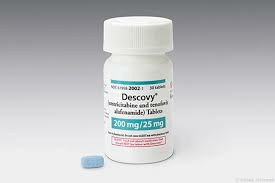
F/TAF is a compound antiviral drug consisting of tenofovir alafenamide fumarate (TAF) and fumarinib fumarate (F< /span>), mainly used for the treatment and prevention of HIV-1 infection (PrEP). It blocks HIV replication by inhibiting the activity of viral reverse transcriptase, thereby reducing viral load and risk of infection. Although the efficacy is remarkable, since the drug ingredients involve kidney and bone metabolism, many contraindications and risks must be paid attention to when using it.
Top ten contraindications
1.Allergy to drug ingredients: Patients known to be allergic to any ingredient of Dakoba (TAF, F or excipients) are prohibited to avoid severe allergic reactions.
2.Contraindicated for patients with severe renal impairment: eGFR<30 mL/min/1.73㎡ or patients with end-stage renal disease to prevent toxicity caused by drug accumulation.
3.Concomitant use of bromide or other nephrotoxic drugs: Concomitant use may aggravate renal function damage and should be used with caution or avoided.
4.Use with caution in patients with severe liver damage: Patients with Child-Pugh C grade liver disease need to strictly assess risks to avoid potential hepatotoxicity.
5.Patients with osteoporosis or high risk of fractures should be cautious: TAFLong-term use may slightly affect bone mineral density, and bone health needs to be monitored.
6. Use with caution in pregnant and lactating women: The drug may affect the fetus and infant through the placenta or milk. You need to weigh the pros and cons and take effective contraceptive measures.
7.Previous history of lactic acidosis: Drugs may cause lactic acidosis in rare cases, especially in patients with liver and kidney dysfunction.
8.Use with caution in patients with severe cardiovascular disease: the drug may indirectly affect electrolytes or blood pressure, and cardiovascular risk needs to be assessed.
9.Restrictions on use in children and adolescent patients: If sufficient clinical safety data are not available, use with caution as directed by your doctor.
10.HIV-1Patients who have not been tested or are in the acute infection stage: the use of single drugs or incomplete antiviral regimens may increase the risk of drug resistance and need to be confirmedFollow the standard plan after status.
Risks that must be avoided when taking
1. Discontinue medication or miss doses at will: Dakovo must be taken regularly every day as directed by your doctor. Missing doses may lead to virus rebound or drug resistance.
2.Combined use of over-the-counter drugs or herbal medicines: Certain drugs (such as antacids, rifampicin) may affect TAF absorption and reduce efficacy.
3.Improper diet: Although drug absorption is less affected by food, extremely high-fat or extremely low-calorie diets may affect blood drug concentrations, so a balanced diet should be maintained.
4. Long-term neglect of kidney function and bone density monitoring: Long-term use may lead to an increase in creatinine or a decrease in bone density, so regular blood biochemistry and bone density examinations are required.
5.Failure to combine with other antiviral drugs as prescribed: Use alone or in wrong combination may lead to HIV drug resistance or treatment failure.
Precautions and clinical management
1.Regular monitoring of kidney function: It is recommended to monitor serum creatinine, eGFR and urine protein levels every 3-6 months to detect kidney damage in time.
2.Bone health management: For patients at high risk of osteoporosis, calcium and vitamin D can be combined with bone density monitoring.
3.Drug interaction management: Doctors should be informed of all prescription drugs, over-the-counter drugs and health care products before use to avoid drug interactions.
4. Management during pregnancy and childbearing age: Female patients should assess pregnancy risks before treatment and take contraceptive measures. Use with caution during lactation.
5.Lifestyle management: Maintaining a regular schedule, a balanced diet, and avoiding the intake of high-salt, high-fat and nephrotoxic substances can reduce the risk of medication.
Tacoflour (F/TAF) has significant efficacy in the treatment and prevention of HIV. However, because it involves kidney, bone and liver metabolism, medication contraindications and precautions must be strictly observed. Through individualized management, regular monitoring and lifestyle intervention, the efficacy can be maximized while potential risks are minimized, providing patients with safe and effective long-term antiviral treatment.
Reference materials:https://www.drugs.com/
[ 免责声明 ] 本页面内容来自公开渠道(如FDA官网、Drugs官网、原研药厂官网等),仅供持有医疗专业资质的人员用于医学药学研究参考,不构成任何治疗建议或药品推荐。所涉药品可能未在中国大陆获批上市,不适用于中国境内销售和使用。如需治疗,请咨询正规医疗机构。本站不提供药品销售或代购服务。


