
.jpeg)
What safety precautions and contraindications should be paid attention to when taking Elacetrant?
Drug overview
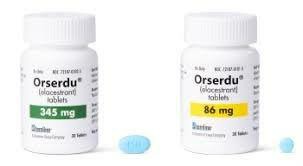
Elacetrant is a new oral selective estrogen receptor degrader (SERD), mainly used to treat patients with hormone receptor-positive, HER2-negative advanced or metastatic breast cancer, especially those who are resistant to tamoxifen or aromatase inhibitors. It inhibits tumor cell proliferation by selectively degrading estrogen receptors (ER) and blocking estrogen signaling pathways, thereby delaying disease progression. As a targeted endocrine therapy drug, elastran has shown obvious advantages in efficacy, but safety and rational drug management need to be paid attention to in clinical application.
Main safety considerations
1.Liver function monitoring: The metabolism of elastran in the body mainly depends on the liver, especially through the CYP3A4 pathway. Therefore, patients need to regularly monitor liver function, including ALT, AST and bilirubin levels during medication. For patients with existing liver damage, the dose should be used with caution or adjusted according to physician recommendations to avoid severe hepatotoxicity.
2.Cardiovascular risk: Elastran may affect the QT interval and increase the risk of arrhythmia. Patients with a history of heart disease or other drugs that prolong the QT interval should have an electrocardiogram before treatment and regular reexaminations during treatment. If QT prolongation or abnormal heart rhythm occurs, medication should be suspended and treated promptly.
3. Thromboembolic risk: Similar to other estrogen receptor-related drugs, elastran may increase the risk of thrombosis, especially in patients with a history of venous thrombosis or arterial embolism. Clinically, attention should be paid to symptoms such as limb swelling, chest pain, and dyspnea, and preventive measures should be taken based on risk assessment.
4.Bone health: Long-term suppression of estrogen signaling may have an impact on bone density and increase the risk of fractures. For high-risk patients, it is recommended to combine calcium supplementation, vitamin D or bone protection drugs with bone density monitoring.
Contraindications and caution for use
1.Contraindicated in patients with severe hepatic insufficiency: Elastran is mainly metabolized by the liver and is contraindicated in patients with Child-Pugh C grade liver impairment to prevent serious toxicity caused by drug accumulation.
2.Contraindicated for those allergic to drug ingredients: Patients with a history of allergy to elastran or its excipients should avoid use to prevent severe allergic reactions.
3. Contraindicated for pregnant and lactating women: Elastrast may have a teratogenic effect on the fetus and can be excreted through breast milk, posing potential risks to the baby. Therefore, it is contraindicated during pregnancy and lactating, and effective contraceptive measures must be taken before treatment.
4. Use with caution in patients with high cardiovascular and thrombotic risks: Patients with a history of severe heart disease or previous thrombotic events should fully assess the risks before use, and adjust the dosage or take preventive measures based on doctor's guidance when necessary.
Clinical management and medication guidance
In clinical practice, the key to ensuring the safe use of elastran lies in individualized management. Patients need to complete a comprehensive evaluation before treatment, including liver function, electrocardiogram, bone density and blood clot risk assessment. During treatment, regular follow-up monitoring of indicators should be carried out to detect potential adverse reactions in a timely manner and take intervention measures. Patients should strictly follow the doctor's instructions and should not increase or decrease the dose or stop medication at will to ensure the efficacy. In the event of serious adverse reactions, medication should be suspended and necessary supportive treatment or dose adjustment should be performed. In addition, patients should pay attention to lifestyle management during medication, such as maintaining a balanced diet, exercising moderately, avoiding tobacco and alcohol, and staying in bed for long periods of time to reduce the risk of blood clots and fractures.
As a new oral targeted drug for advanced breast cancer, elastran has clear efficacy advantages, but it is also accompanied by potential risks such as liver function, cardiovascular and thrombosis. Through strict medication monitoring, individualized dose adjustment and life management, patient safety can be effectively ensured and treatment tolerance can be improved. For those who are contraindicated and should be used with caution, they need to be evaluated and managed under the guidance of professional doctors to maximize efficacy while minimizing risks.
Reference materials:https://www.drugs.com/
[ 免责声明 ] 本页面内容来自公开渠道(如FDA官网、Drugs官网、原研药厂官网等),仅供持有医疗专业资质的人员用于医学药学研究参考,不构成任何治疗建议或药品推荐。所涉药品可能未在中国大陆获批上市,不适用于中国境内销售和使用。如需治疗,请咨询正规医疗机构。本站不提供药品销售或代购服务。


