
.jpeg)
The dosage and usage specifications of Febuxostat (Febuxostat) and the adjustment plan according to the patient's condition
Febuxostat (Febuxostat) is an oral xanthine oxidase inhibitor mainly used to treat patients with hyperuricemia and gout. The standard usage is to take it orally once a day. The dosage usually starts from 40 mg every day and can be taken in the morning and evening. However, it is recommended to take the medicine at a fixed time period to ensure stable blood concentration. The drug can be taken with food or on an empty stomach and has little effect on absorption, but taking it with food can reduce gastrointestinal discomfort.
During the use of febuxostat, dose adjustment is mainly based on the blood uric acid level and the patient's renal function. If blood uric acid levels have not reached target (usually <6 mg/dL) after taking 2–4 weeks, the dose can be increased to 80 mg per day. For patients with mild to moderate renal impairment (eGFR 30–60 mL/min/1.73㎡), there is generally no need to adjust the dosage, but blood uric acid and renal function monitoring should be strengthened; patients with severe renal impairment should use it with caution, and adjust or extend the dosage interval according to clinical conditions.
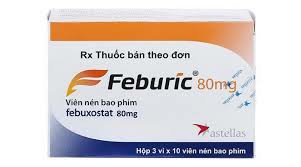
Febuxostat should be used with caution in patients with hepatic impairment. Patients with moderate to severe hepatic impairment should adjust the dose under the guidance of a physician and regularly monitor liver function. When used in combination with other urate-lowering drugs (such as allopurinol), overdose and additive inhibitory effects should be avoided to reduce the risk of hepatic or cardiovascular adverse events. In addition, when initiating febuxostat treatment during an acute gout attack, NSAIDs or colchicine should be used simultaneously for symptom control to reduce the risk of an acute attack.
During long-term treatment, serum uric acid levels, renal function, and liver function should be monitored regularly to assess efficacy and safety. Patients should maintain adequate fluid intake and avoid high-purine diets and excessive alcohol intake to enhance the effect of the drug. If adverse reactions such as abnormal liver function, cardiovascular events or severe rash occur, the medication should be suspended and seek medical attention promptly. Through scientific dose adjustment and individualized management, febuxostat can effectively control hyperuricemia, prevent gout attacks, and reduce the risk of long-term complications.
Reference materials:https://www.drugs.com/
[ 免责声明 ] 本页面内容来自公开渠道(如FDA官网、Drugs官网、原研药厂官网等),仅供持有医疗专业资质的人员用于医学药学研究参考,不构成任何治疗建议或药品推荐。所涉药品可能未在中国大陆获批上市,不适用于中国境内销售和使用。如需治疗,请咨询正规医疗机构。本站不提供药品销售或代购服务。


