
.jpeg)
How effective is Eslicarbazepine in treating epilepsy? Patient feedback summary
Eslicarbazepine acetate (ESL) is a third-generation anti-epileptic drug that is a sodium channel blocker. It stabilizes neuronal membrane potential by selectively inhibiting overactive voltage-dependent sodium channels, thereby reducing the frequency and intensity of epileptic seizures. Compared with traditional anti-epileptic drugs, eslicarbazepine has clear metabolic activity and is mainly metabolized into active substancesEslicarbazepine. It has the advantages of long half-life, stable blood concentration, and few drug-drug interactions. The drug can be used as monotherapy or as an adjunctive treatment for focal onset seizures, especially in patients with poor tolerance to carbamazepine or lamotrigine.
Multiple clinical studies have shown that eslicarbazepine can significantly reduce the frequency of epileptic seizures as a single agent or in combination therapy. Taking adult patients with partial seizures as an example, after 8–12 weeks of treatment, about 50–60% of patients have a reduction in seizure frequency ≥50%, and some patients can achieve complete seizure control (no seizures). In children and adolescents, adjuvant therapy also showed good efficacy, with a significant reduction in seizure frequency and improvement in patients' quality of life. Compared with older generation drugs, eslicarbazepine is easier to achieve individualized dosage management due to its stable blood concentration and low drug interactions.
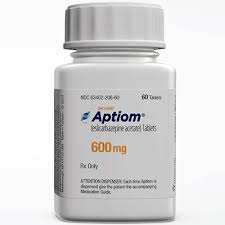
Judging from actual patient feedback, most patients tolerate eslicarbazepine well. Common adverse reactions include mild to moderate dizziness, drowsiness, nausea, or rash, but most resolve spontaneously within a few weeks or improve with dose adjustment. Patients generally report that the drug takes effect quickly. After taking it for several weeks, the frequency of attacks is significantly reduced, and the impact on daily life is reduced. For example, the number of sudden attacks during study, work and social activities is reduced. Some patients who have been taking it for a long time pointed out that compared with carbamazepine or lamotrigine, eslicarbazepine has milder side effects and less interference with liver function and hematological indicators.
In clinical use, eslicarbazepine usually starts at a low dose (e.g. 400 mgonce a day) and is gradually adjusted to 800–1200 mgonce a day based on efficacy and tolerability. Patients should regularly monitor blood drug concentration, liver and kidney function and blood routine during medication to ensure safety. When using combined drugs, attention should be paid to interactions with other antiepileptic drugs, especially strong enzyme-inducing drugs that may reduce blood drug concentrations. Taken together, eslicarbazepine, with its good efficacy, stable blood concentration and controllable side effects, provides a reliable treatment option for patients with partial epilepsy, especially suitable for adults and adolescents who require long-term maintenance treatment. Patient feedback shows that the drug shows high satisfaction in reducing seizures, improving quality of life and tolerability, and is one of the commonly used anti-epileptic drugs in clinical practice.
Reference materials:https://www.drugs.com/
[ 免责声明 ] 本页面内容来自公开渠道(如FDA官网、Drugs官网、原研药厂官网等),仅供持有医疗专业资质的人员用于医学药学研究参考,不构成任何治疗建议或药品推荐。所涉药品可能未在中国大陆获批上市,不适用于中国境内销售和使用。如需治疗,请咨询正规医疗机构。本站不提供药品销售或代购服务。


