
.jpeg)
Interactions between Seripalase (BRINEURA) and other drugs and description of risks of combined use
Seripase (BRINEURA, cerliponase alfa) is a recombinant human cerebrospinal fluid exocrine enzyme used to treat CLN2 neurodegenerative diseases. It slows down neurodegenerative processes by replacing missing lysosomal enzymes and degrading abnormal accumulation of polymers in cerebrospinal fluid. Because it is an enzyme preparation and is mainly administered via intracerebroventricular injection, the concentration of the drug in the blood system is limited, but potential drug interactions still need to be noted.
Seripalase may cause an immune reaction or infusion-related allergic reaction. When coadministering corticosteroids, antihistamines or other immunosuppressants, attention should be paid to changes in the suppressed or activated state of the immune system. Immunosuppressive drugs may reduce the risk of enzyme-induced immune responses, but excessive suppression may increase the risk of infection. Combination medication should be carried out under strict supervision by doctors, and the dosage and infusion regimen should be adjusted to ensure safety.
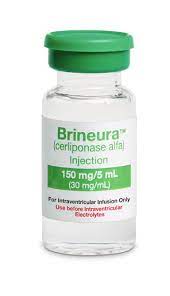
When treatingCLN2 patients, patients are often treated with anti-epileptic drugs, sedatives, or spasticity-controlling drugs. Currently, seripalase has not shown significant metabolic interactions with these drugs. However, if the patient experiences sedation or blood pressure changes during infusion, attention should be paid to the cumulative effects or synergistic side effects of the drugs to prevent respiratory depression or disturbance of consciousness. Continuous clinical monitoring should be maintained, especially during initial combined use.
Major risks when seripase is used in combination with other drugs include enhanced allergic reactions, exacerbation of infusion-related side effects, and immune system interference. To reduce the risk, it is recommended: 1) Strictly follow the pre-infusion pretreatment regimen, such as using antihistamines or short-course glucocorticoids; 2) Closely monitor patients in medical institutions when the combination is used for the first time Monitor vital signs; 3) Avoid concurrent use with drugs that may increase thrombosis, cardiovascular burden, or respiratory depression; 4) Regularly assess the patient's immune status and neurological response. Through scientific management, the risks of combined medication can be minimized while ensuring efficacy.
Reference materials:https://www.drugs.com/
[ 免责声明 ] 本页面内容来自公开渠道(如FDA官网、Drugs官网、原研药厂官网等),仅供持有医疗专业资质的人员用于医学药学研究参考,不构成任何治疗建议或药品推荐。所涉药品可能未在中国大陆获批上市,不适用于中国境内销售和使用。如需治疗,请咨询正规医疗机构。本站不提供药品销售或代购服务。


