
.jpeg)
Which patients are suitable for dabrafenib combined with trametinib? Read the price, indications and side effects in one article
Although the overall incidence of melanoma in my country is low, in recent years, the incidence has continued to increase and is getting younger. Especially in the BRAF mutation population, the disease progresses rapidly and the prognosis is poor. Just as the public is once again focusing on this disease, new developments are also coming in the clinical treatment field: dabrafenib (Dabrafenib) combined with trametinib (Trametinib)’s dual-targeted regimen, with clinical data that significantly prolongs recurrence-free survival (RFS) and overall survival (OS), is once again highly recommended by international authoritative guidelines. This combination program has been launched in China and has been included in medical insurance, becoming an important part of the treatment of BRAF V600 mutation-related cancers.
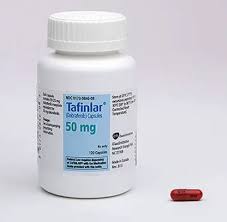
01 What is melanoma? Why is it so dangerous?
Melanoma, also known as malignant melanoma, is a malignant tumor formed by the malignant transformation of skin melanocytes and is highly invasive and metastatic. In the early stage, a better prognosis can be obtained through surgical resection, but once local lymph node involvement or distant metastasis occurs, the disease progresses extremely rapidly, and the effect of traditional chemotherapy is limited.
Globally, the incidence of melanoma is increasing rapidly. According to the ASCO report, melanoma has become one of the fastest growing tumors. Although the overall incidence rate in my country is not high, it is increasing at a rate of 6% to 7% every year. There are about 2 new cases every year, and the mortality rate is also increasing year by year. The main risk factors include ultraviolet exposure, the number and changes of moles, family history, and low immune function.
02 Dabrafenib (Dabrafenib): a targeted drug that precisely blocks BRAF mutations
Dabrafenib is an oral small molecule BRAF inhibitor that can selectively inhibit mutant BRAFkinase (especially BRAF V600E mutation) and block MAPKAbnormal activation of signaling pathways inhibits tumor cell growth.
In 2013Maymonth, FDA approved dabrafenib for the first time for BRAF V600E mutation-positive advanced melanoma;
In August 20138, the EU approved its listing;
Since then, dabrafenib has been approved in lung cancer, thyroid cancer, pediatric low-grade glioma and other BRAF mutated solid tumors, and its application territory continues to expand.

03 “Dual-target combination” model: dabrafenib+trametinib significantly improves efficacy
AlthoughBRAF inhibitors have a rapid onset of action as a single agent, resistance usually develops within months. Studies have found that tumor cells continue to grow by "bypassing" BRAF inhibition through downstream MEK activation. To this end, scientists proposed a BRAF+MEK combined blocking strategy:
Dabrafenib is responsible for blocking upstream mutationsBRAF;
Trametinib (MEK inhibitor) intercepts downstream signals, thereby achieving deeper and more sustained pathway inhibition.
This combination has achieved breakthrough efficacy in melanoma and other BRAF mutated tumors, and has become the current international standard first-line treatment.
04 Clinical data: III stage patients5 years pan>RFSThe rate is 52%, and the overall survival rate is as high as 86%
In the COMBI-AD study published in the New England Journal of Medicine, 870 patients had their BRAF removed Patients with V600E/Kmutated stage III melanoma were randomly assigned to receive adjuvant dabrafenib + trametinib or placebo for 12 months.
5 year recurrence-free survival rate (RFS): dabrafenib+trametinib group was 52%, placebo group was 36%;
5years survival rate without distant metastasis: combination group65%, control group54%;
Overall survival rate (OS): 3 The annual overall survival rate of the combined group was 86%, which was significantly better than the control group 77%.
In unresectable or metastatic melanoma, COMBI-v and other studies also showed that the median OS increased from 17.2
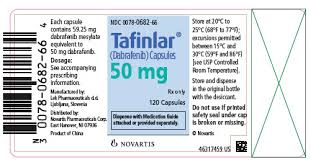
05 The scope of indications continues to expand: melanoma → lung cancer → thyroid cancer
In addition to melanoma, dabrafenib is approved for use in the following diseases:
1.Non-small cell lung cancer (NSCLC)
ForBRAF For V600Emutation-positive late-stage NSCLC patients, the dabrafenib + trametinib regimen has a clinical median PFS of 10.9 months, ORR reached 64%, becoming one of the few effective treatments for BRAF mutated lung cancer.
2.Anaplastic thyroid cancer (ATC)
2018YearFDAAccelerated approval of dabrafenib+trametinib for BRAF After V600Emutated locally advanced or metastaticATC treatment, some patients achieved long-term remission.
3.Pediatric low-grade glioma
In 2022, the FDA approved the combination for BRAF V600E mutated pediatric low-grade glioma, expanding its application in the field of childhood tumors.
06 Usage, Dosage and Precautions
Recommended Usage (Adults)
Dabrafenib:150mg, taken orally twice daily
Trametinib:2 mg, taken orally once daily
Continue treatment until disease progression or unacceptable toxicity. Postoperative adjuvant treatment can last up to 12 months.
Things to note
1.Skin malignant tumors: BRAF inhibitors may cause new skin cancers, requiring regular skin examinations;
2.Heart function: regular evaluation is requiredLVEF;
3. Eyes: Be alert to uveitis and retinopathy;
4. Hyperpyrexia, rash, hyperglycemia, etc. are common adverse events. If necessary, adjust the dose or temporarily discontinue the drug.
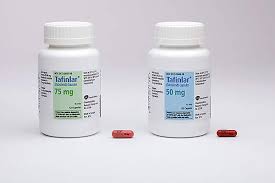
07 Price information and drug purchase channels
At present, dabrafenib has been launched in China and is included in medical insurance, making drug purchase more convenient.
Domestic price: 75 mg
Foreign original drugs: mainly from Türkiye, the price is about 11,000 yuan/box;
Laos generic drugs: have been approved for sale by the local Ministry of Health. The price is about 2,000 yuan. The ingredients of the drugs are basically the same as those of the original drugs. They are an economical alternative.
It is recommended that patients purchase drugs through regular hospital pharmacies or legally qualified channels to avoid the risks of counterfeit drugs and illegal purchases.
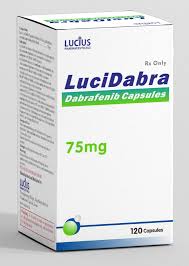
08 Medical Insurance Policy and Future Outlook
With the inclusion of the dual-target regimen "dabrafenib+trametinib" into medical insurance, the financial burden on patients has been significantly reduced. In the future, as more domestic generic drugs are approved and combination immunotherapy options are explored, this option is expected to be applied to more cancer types and achieve wider accessibility.
From single drugBRAF inhibition to dual-target combination, dabrafenib (Dabrafenib) has witnessedBRAFA major leap forward in the treatment of mutant tumors. Whether in the adjuvant treatment of melanoma, metastatic lung cancer, or rare thyroid cancer, it has demonstrated significant efficacy and survival benefits. With the implementation of medical insurance policies and the launch of generic drugs, more patients will be able to enjoy cutting-edge international targeted treatments at affordable prices.
xa0
References:
1.《New England Journal of Medicine》 Five-Year Analysis of Adjuvant Dabrafenib plus Trametinib in Stage III Melanoma
2.FDA approves dabrafenib with trametinib for pediatric patients with low-grade glioma with a BRAF V600E mutation
3.ASCO Annual Meeting 2025. https://meetings.asco.org
4.NCCN Guidelines Melanoma, NSCLC, Thyroid Cancer 2024. https://www.nccn.org
[ 免责声明 ] 本页面内容来自公开渠道(如FDA官网、Drugs官网、原研药厂官网等),仅供持有医疗专业资质的人员用于医学药学研究参考,不构成任何治疗建议或药品推荐。所涉药品可能未在中国大陆获批上市,不适用于中国境内销售和使用。如需治疗,请咨询正规医疗机构。本站不提供药品销售或代购服务。


