
.jpeg)
Differences and options between midostaurin and gilitinib in the treatment of leukemia
Midostaurin is a multi-target tyrosine kinase inhibitor that mainly targets FLT3, KIT, PDGFR and other receptor tyrosine kinases are used to treat patients with FLT3 mutations in acute myeloid leukemia (AML). It blocks the proliferation and survival of leukemia cells by inhibiting the FLT3 signaling pathway. In contrast, Gilitinib (Gilteritinib) is a selective FLT3 inhibitor with higher selectivity against FLT3-ITD and FLT3-TKD mutations. The single-target nature of giritinib makes it more effective in patients with relapsed or refractory FLT3 mutant AML, and its side effects are more controllable than midostaurin.
Midostaurin is mainly suitable for patients with newly diagnosed FLT3mutationsAML and is usually used in combination with standard chemotherapy to improve response rates and extend progression-free survival. At the same time, it can also be used for ongoing maintenance treatment to help reduce the risk of recurrence. Giritinib is mainly used for patients with relapsed or refractory FLT3 mutated AML, especially as a single-agent targeted therapy option after standard chemotherapy fails. In other words, midostaurin is mostly used as a combination therapy for newly treated patients, while giritinib is more suitable for second-line or follow-up regimens in the treatment of drug-resistant or relapsed patients.
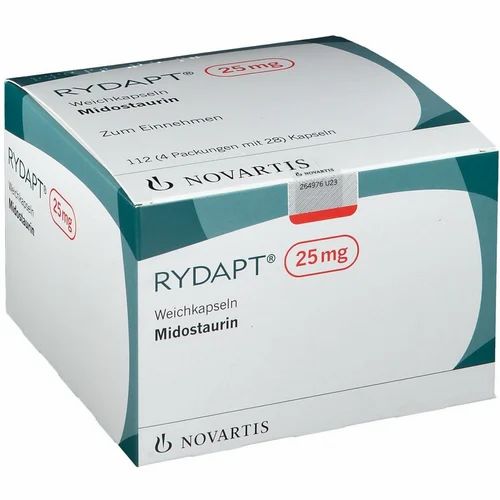
In clinical trials, midostaurin combined with chemotherapy can significantly improve the complete response rate (CR) and median overall survival, but it may cause side effects such as gastrointestinal discomfort, arrhythmia, and bone marrow suppression. Giritinib has shown higher objective response rates (ORR) and tolerability in relapsed or refractory AML, and its common adverse reactions include elevated transaminases, mild fatigue, and muscle pain. In general, giritinib has a narrower side effect spectrum and more targeted efficacy, while midostaurin is suitable as a combination drug in chemotherapy regimens to improve the prognosis of treatment-naïve patients.
When choosing between midostaurin or giritinib, key factors include the patient's disease stage,FLT3Type of mutation, previous treatment history, and body tolerance. For newly diagnosed patients with FLT3 AML mutations, midostaurin combined with chemotherapy is preferred to obtain a higher response rate; for relapsed or refractory patients, giritinib is more suitable as a single-agent targeted therapy, and can be individually adjusted according to mutation type and resistance mechanism. In addition, blood routine, liver and kidney function and electrocardiogram should be monitored regularly during treatment to ensure efficacy and safety. Reasonable selection of drugs and treatment courses is crucial to improving patient survival rate and quality of life.
Reference materials:https://www.drugs.com/
[ 免责声明 ] 本页面内容来自公开渠道(如FDA官网、Drugs官网、原研药厂官网等),仅供持有医疗专业资质的人员用于医学药学研究参考,不构成任何治疗建议或药品推荐。所涉药品可能未在中国大陆获批上市,不适用于中国境内销售和使用。如需治疗,请咨询正规医疗机构。本站不提供药品销售或代购服务。


