
.jpeg)
Is it necessary to take Loprostim (Huierning) continuously for a long time once it is used?
Romiplostim (Romiplostim) is a recombinant humanized thrombopoietin receptor agonist (TPO-RA). By binding to the thrombopoietin receptor (TPO-R), it stimulates the maturation and differentiation of megakaryocytes in the bone marrow, thereby promoting platelet production. This drug is mainly used to treat patients with chronic immune thrombocytopenia (ITP), especially those who have not responded to glucocorticoids, immunoglobulins, or splenectomy. Since ITP is a chronic, autoimmune disease with a fluctuating course, the use of roplastin is often a long-term management process, and the specific course of treatment needs to be determined based on the patient's platelet response.
Not all patients who take Roprostim must take it continuously for a long time. Clinically, some patients can gradually restore their own platelet production function after several months of treatment, thereby reducing the dose or discontinuing the drug; however, for most ITP patients, long-term maintenance treatment with loplastin is required to keep platelet levels within a safe range. The significance of long-term use is to prevent severe bleeding caused by a sudden drop in platelets. Doctors usually dynamically adjust the dose based on the platelet count. Once the platelets remain stable (such as 50×10⁹/L or above), they can try to gradually reduce the dose or even discontinue the drug, but this must be done under strict monitoring.
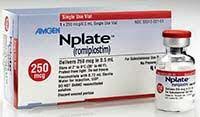
If a patient stops taking the drug without authorization, the platelet level may drop rapidly within 1 to 2 weeks and return to the pre-treatment state, increasing the risk of bleeding, especially for patients with a history of bleeding or extremely low platelets. Therefore, during the process of stopping the drug or reducing the dose, the platelet count must be closely monitored and reviewed weekly or every two weeks, and the doctor will adjust the plan based on the test results. For some patients, if the platelet count drops again after discontinuation of the drug, treatment with roplastin can be restarted or combined with other immunomodulatory drugs to maintain the efficacy.
The overall safety of long-term use of loplastin is good, but potential risks still need to be paid attention to, such as myelofibrosis, thrombotic events or antibody production. Clinical studies have shown that most patients do not experience obvious adverse effects after long-term use, but regular blood routine, liver function and bone marrow monitoring are still required. Doctors will develop personalized treatment plans based on individual differences and comprehensively evaluate efficacy and safety. For some patients whose condition is stable, the dosage can be gradually reduced or discontinued under the guidance of a doctor. Therefore, not everyone must take Roprostim for life, but the timing of discontinuation should be carefully evaluated to ensure stable efficacy and controllable risks.
Reference materials:https://www.drugs.com/
[ 免责声明 ] 本页面内容来自公开渠道(如FDA官网、Drugs官网、原研药厂官网等),仅供持有医疗专业资质的人员用于医学药学研究参考,不构成任何治疗建议或药品推荐。所涉药品可能未在中国大陆获批上市,不适用于中国境内销售和使用。如需治疗,请咨询正规医疗机构。本站不提供药品销售或代购服务。


