
.jpeg)
What should patients do if they are resistant to enzalutamide/enzalutamide?
Enzalutamide/Enzalutamide resistance is a commonly discussed issue during the long-term treatment of prostate cancer. Because prostate cancer cells are highly adaptable, as treatment time prolongs, tumors may evade drug suppression by changing the structure of androgen receptors, forming variant receptors, enhancing androgen self-synthesis, or activating bypass signaling pathways. Once signs of resistance appear, patients' treatment pathways need to be readjusted to ensure the disease remains under control.
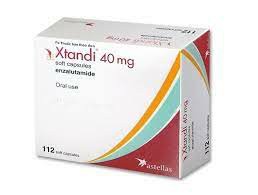
When enzalutamide begins to fail, the first clinical concern is whether drug resistance is "pseudo-progression" or "real progression". Pseudo-progression is usually related to factors such as short-term fluctuations, inflammatory reactions, and imaging artifacts, while true progression is manifested by continued rise in PSA, clear imaging showing new lesions, or worsening of patient symptoms. After identifying the type of resistance, doctors will develop new strategies based on the disease stage.
In cases of true drug resistance, international guidelines usually recommend switching to drugs with different mechanisms of action to block the tumor's potential alternative signaling pathways. For example, switching to another class of hormonal drugs, targeted drugs, or chemotherapy regimens are common pathways. Some patients may benefit from PARP inhibitors, especially if they have mutations in DNA repair genes. For patients who already have bone metastases or are symptomatic, bone-targeted therapy can be added to reduce the risk of bone pain and bone-related events.
Management after drug resistance is not limited to changing drugs, but also includes a comprehensive assessment of the patient's performance status, underlying diseases, tumor burden, and expected treatment goals. If the disease progresses quickly, doctors may give priority to options with stronger effects or faster effects; if the patient's overall condition is stable, combination therapy may be used to delay further deterioration.
By detecting molecular markers such as AR-V7, it can help determine whether to continue using AR pathway drugs, or whether it is more suitable to switch to chemotherapy or other targeted therapies. Individualized management is an important basis for improving the efficacy of drug resistance.
Reference materials:https://www.xtandi.com/
[ 免责声明 ] 本页面内容来自公开渠道(如FDA官网、Drugs官网、原研药厂官网等),仅供持有医疗专业资质的人员用于医学药学研究参考,不构成任何治疗建议或药品推荐。所涉药品可能未在中国大陆获批上市,不适用于中国境内销售和使用。如需治疗,请咨询正规医疗机构。本站不提供药品销售或代购服务。


