
.jpeg)
Is Sorafenib/Nexavar a targeted drug or a chemotherapy drug? What is the difference?
Sorafenib/Nexavar (Sorafenib) is a typical targeted drug rather than a traditional chemotherapy drug. This difference is not only reflected in the mode of use, but also in the fundamental differences in the mechanism of action, toxicity characteristics and treatment logic. Understanding the difference between the two can help patients correctly understand the drug, evaluate its expected efficacy, and manage possible side effects.
Traditional chemotherapy drugs mainly kill rapidly dividing cells. They cannot distinguish the difference between tumor cells and normal cells. Therefore, they are prone to significant damage to fast-growing tissues such as bone marrow, gastrointestinal tract, and hair follicles, causing typical reactions such as hair loss, severe nausea, and decrease in white blood cells. Although chemotherapy can quickly shrink tumors, it is often accompanied by strong side effects and therefore requires high physical conditions for patients.
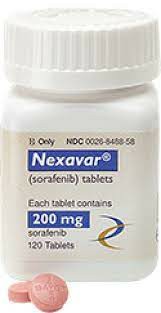
As a targeted therapy drug, the core role of sorafenib is not to directly kill tumor cells, but to make tumors "lose power" by precisely intervening in the key signaling pathways of tumor growth. It mainly inhibits RAF kinase and multiple angiogenesis pathways, preventing tumors from obtaining sufficient nutrients and continuing to proliferate, thus achieving the purpose of delaying disease progression. It is more selective and has less impact on normal tissues. Therefore, although side effects exist, they generally manifest as skin reactions, diarrhea, fatigue, etc., which are completely different from chemotherapy.
Another characteristic of targeted drugs is long-term maintenance. Sorafenib is usually taken orally continuously to maintain long-term suppression, while chemotherapy is mostly administered in the form of periodic infusions with drug-stop intervals in between. The sustained and stable inhibitory mechanism also makes targeted drugs more suitable for use in advanced liver cancer that is inoperable and cannot be treated locally, helping patients to prolong the stable period of the disease.
Overall, sorafenib is a typical targeted drug and is fundamentally different from chemotherapy in terms of treatment concept and mechanism. It controls liver cancer in a gentler, sustained and precise way and is an important part of modern hepatocellular carcinoma treatment.
Reference materials:https://www.nexavar.com/
[ 免责声明 ] 本页面内容来自公开渠道(如FDA官网、Drugs官网、原研药厂官网等),仅供持有医疗专业资质的人员用于医学药学研究参考,不构成任何治疗建议或药品推荐。所涉药品可能未在中国大陆获批上市,不适用于中国境内销售和使用。如需治疗,请咨询正规医疗机构。本站不提供药品销售或代购服务。


