
.jpeg)
Does the elderly need to reduce the dose of gilitinib (segatan) and what are the medication recommendations?
Gilteritinib is an oral tyrosine kinase inhibitor that targets FLT3 mutations and is mainly used to treat patients with relapsed or refractory acute myeloid leukemia (AML). Due to the decline of physiological functions, weakened liver and kidney metabolism, and the existence of various underlying diseases, the safety and tolerability of medication in elderly patients are usually lower than that of younger patients. Therefore, when using giritinib in the elderly, special attention needs to be paid to dose selection and adverse reaction monitoring to balance efficacy and safety.
Generally, the standard recommended dose of giritinib is once daily 120 mg, but for older patients, patients with liver and kidney insufficiency, or severe underlying diseases, doctors may consider reducing the dosage based on individual tolerance and blood drug concentration assessment. The dosage reduction plan must strictly follow clinical guidelines or doctor's recommendations. A common strategy is to reduce the initial dose to 80-100 mg/day, and closely monitor changes in blood, liver and kidney function, and electrocardiogram during treatment to ensure that the therapeutic effect is within a safe range. Patients should not adjust the dosage on their own to avoid affecting efficacy or increasing the risk of adverse events.
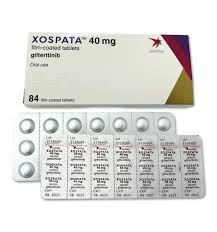
During medication, elderly patients need to pay special attention to potential adverse reactions such as bone marrow suppression, infection risk, and cardiovascular events. It is recommended to regularly monitor blood routine, liver and kidney function, blood pressure and electrocardiogram, and promptly record symptoms such as fever, bleeding, fatigue or palpitations. If moderate or severe adverse reactions occur, doctors may choose to temporarily discontinue the drug, reduce the dose, or provide symptomatic treatment. Through scientific monitoring and early intervention, the risk of side effects can be minimized while ensuring the continuity and efficacy of geritinib treatment.
In addition, elderly patients should combine comprehensive management measures during medication, such as a reasonable diet, regular work and rest, moderate exercise, and psychological support. At the same time, they should inform doctors of all concomitant medications to avoid drug interactions. Regular follow-up visits and close communication with the medical team are key to ensuring safe and effective treatment. In summary, elderly patients using gilitinib can consider moderate dose reduction under professional guidance, supplemented by systematic monitoring and life management to achieve the best balance between efficacy and safety.
Reference materials:https://www.drugs.com/
[ 免责声明 ] 本页面内容来自公开渠道(如FDA官网、Drugs官网、原研药厂官网等),仅供持有医疗专业资质的人员用于医学药学研究参考,不构成任何治疗建议或药品推荐。所涉药品可能未在中国大陆获批上市,不适用于中国境内销售和使用。如需治疗,请咨询正规医疗机构。本站不提供药品销售或代购服务。


