
.jpeg)
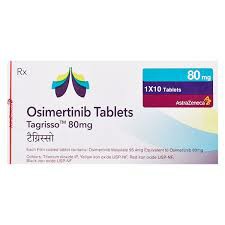
Osimertinib (Tagrisso) side effects duration and relief methods
Osimertinib is a third-generation EGFR tyrosine kinase inhibitor that is widely used in patients with EGFR mutation-positive advanced non-small cell lung cancer (NSCLC). As a targeted drug, while improving efficacy, osimertinib may also cause a variety of side effects. The occurrence of side effects is related to dosage, treatment time, individual patient differences, and underlying diseases. Scientific understanding of the duration of side effects and relief methods is crucial to ensuring continuity of treatment and patient quality of life.
1. Skin reaction
Rush, dryness, itching, or hyperpigmentation are the most common skin-related side effects of osimertinib. The rash usually appears 2–4 weeks after starting the medication. A mild rash may resolve on its own within a few weeks, while a moderate to severe rash may last several weeks or even more than a month. Relief methods include: keeping skin clean and dry, using gentle, non-irritating toiletries, and applying moisturizer regularly. For patients with significant itching, topical low-intensity corticosteroid ointments or oral antihistamines can be used under the guidance of a doctor. If a severe rash occurs or is accompanied by blisters or exudation, you should seek medical treatment in time. The doctor may reduce the dosage, temporarily stop the medication, or combine it with topical drugs according to the situation. With standardized care, most skin reactions can be controlled without interrupting treatment.
2. Gastrointestinal reactions
Common gastrointestinal reactions with osimertinib include diarrhea, nausea, vomiting, and decreased appetite. Such side effects usually appear at the beginning of medication and may last from days to weeks, gradually reducing as the body adapts. Relief measures mainly include dietary management and drug intervention: Mild diarrhea or nausea can be relieved by eating small and frequent meals, avoiding greasy or spicy foods, and replenishing fluids and electrolytes. If symptoms significantly affect life or dehydration occurs, antidiarrheal drugs (such as loperamide) or antiemetics (such as ondansetron) should be used under the guidance of a doctor. For persistent gastrointestinal symptoms, doctors may evaluate dose reduction or temporary discontinuation of the drug to prevent weight loss and malnutrition.
3. Cardiovascular and blood pressure responses
Osimertinib can causeQTInterval prolongation and mild abnormal heart rhythm. Some patients may experience palpitations, chest tightness or elevated blood pressure. Most of these side effects appear early in treatment, but may persist in some patients. Scientific management includes assessment of electrocardiogram and basal blood pressure before treatment, and regular review during treatment. If QT is prolonged or the heart rhythm abnormality is obvious, the doctor may adjust the dose or discontinue the drug while correcting the electrolyte imbalance and evaluating the effects of concomitant drugs. Patients should record symptoms such as palpitations, chest pain, or dizziness at home and report them to their doctor in a timely manner. Early intervention and continuous monitoring are key to reducing cardiovascular risk and ensuring safe treatment.
4. Bone marrow suppression and hematological response
Although the incidence of myelosuppression with osimertinib is low, some patients may experience mild to moderate decreases in white blood cells or platelets, especially when combined with combination therapy or in the presence of underlying hematological diseases. The duration of side effects varies from person to person, usually from days to weeks, and may gradually recover after stopping the drug or adjusting the dose. Mitigation methods include regular blood monitoring, maintaining good nutrition, avoiding sources of infection, and using growth factor support or blood transfusion intervention when necessary. Through standardized monitoring, hematological abnormalities can be dealt with in a timely manner without affecting the efficacy.
5. Pulmonary toxicity and interstitial lung disease
A rare but serious adverse reaction of osimertinib is drug-related interstitial lung disease (ILD). Once cough, dyspnea, or fever occurs, the drug must be discontinued immediately and imaging and respiratory function evaluation must be performed. ILDThe duration is uncertain and may gradually resolve weeks to months after stopping the drug, but some cases may lead to long-term lung function damage. Treatment usually includes immediate discontinuation of the drug, administration of corticosteroids, and symptomatic support. Early identification and timely intervention are important measures to reduce the risk of pulmonary toxicity and ensure patient safety.
6. Comprehensive management and daily intervention
The duration and degree of relief of osimertinib side effects vary greatly from individual to individual. Scientific management not only includes doctors’ intervention in dosage adjustment, drug combination and monitoring indicators, but also includes patients’ self-management in daily life. It is recommended that patients keep a symptom record book, pay attention to changes in the skin, gastrointestinal tract, cardiovascular and respiratory systems, and review hematology and electrocardiogram indicators on a regular basis. Lifestyle intervention, such as regular work and rest, balanced nutrition, moderate exercise and psychological support, can help alleviate side effects and improve tolerance.
In summary, although the side effects of osimertinib are diverse, most are controllable and relievable. Through systematic monitoring, lifestyle adjustments, symptomatic treatment, and dosage management under the guidance of doctors, most side effects can be effectively controlled without interrupting treatment, thereby ensuring that patients can continue to benefit from the anti-tumor efficacy of osimertinib while maintaining a good quality of life.
Reference materials:https://www.drugs.com/
[ 免责声明 ] 本页面内容来自公开渠道(如FDA官网、Drugs官网、原研药厂官网等),仅供持有医疗专业资质的人员用于医学药学研究参考,不构成任何治疗建议或药品推荐。所涉药品可能未在中国大陆获批上市,不适用于中国境内销售和使用。如需治疗,请咨询正规医疗机构。本站不提供药品销售或代购服务。


