
.jpeg)
Detailed introduction to the pharmacological mechanism of Pretomanid and its principle of action against multidrug-resistant tuberculosis
Pretomanid (Pretomanid) is a new anti-tuberculosis drug, which belongs to the nitroimidazole compound. It is mainly used for the treatment of multi-drug-resistant tuberculosis (MDR-TB) and extensively drug-resistant tuberculosis (XDR-TB). It exerts antibacterial effects by targeting multiple metabolic pathways of Mycobacterium tuberculosis and is especially suitable for patients who are resistant to traditional first-line anti-tuberculosis drugs (such as isoniazid and rifampin), providing a new option for comprehensive treatment of drug-resistant tuberculosis.
In terms of pharmacological mechanism, putomanid generates active metabolites through reduction reactions under anaerobic conditions. These metabolites can react with key proteins and DNA of Mycobacterium tuberculosis, leading to damage to the bacterial respiratory chain and DNA damage, ultimately causing bacterial death. The drug has a dual mechanism of action: it interferes with bacterial cell wall synthesis under aerobic conditions, and generates free radicals under anaerobic conditions, causing oxidative stress, thereby effectively killing dormant or slowly growing tuberculosis bacteria.
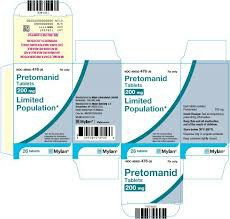
The principle of action against multidrug-resistant tuberculosis bacteria is mainly reflected in its different target targets from existing anti-tuberculosis drugs. Putomanid does not depend on the susceptibility of M. tuberculosis to isoniazid or rifampicin, so even strains resistant to these drugs can still exert a bactericidal effect. This property enables putomab to synergize with other anti-tuberculosis drugs (such as bedaquiline, rifapentine, etc.) in combination treatment regimens to improve the success rate of drug-resistant tuberculosis treatment while reducing the risk of the spread of drug-resistant strains.
Clinical studies have shown that putomanid can significantly improve the negative conversion rate and treatment success rate of patients with multi-drug-resistant tuberculosis in triple or multi-drug regimens. At the same time, its ability to kill anaerobic dormant strains can help shorten the course of treatment and reduce the recurrence rate. In terms of safety, common adverse reactions include abnormal liver function, gastrointestinal discomfort, and mild to moderate neurological reactions, but the overall tolerance is good. In summary, putomanid provides a powerful treatment method for the clinical management of multi-drug-resistant tuberculosis through its unique pharmacological mechanism and targeted effects.
Reference materials:https://www.drugs.com/
[ 免责声明 ] 本页面内容来自公开渠道(如FDA官网、Drugs官网、原研药厂官网等),仅供持有医疗专业资质的人员用于医学药学研究参考,不构成任何治疗建议或药品推荐。所涉药品可能未在中国大陆获批上市,不适用于中国境内销售和使用。如需治疗,请咨询正规医疗机构。本站不提供药品销售或代购服务。


