
.jpeg)
What is voclosporin? Full analysis of pharmacological effects, indications and clinical use
Voclosporin (Voclosporin) is a new type of cyclosporine immunosuppressant. By optimizing the molecular structure of cyclosporine, the stability and consistency of the drug's efficacy have been improved. Compared with traditional cyclosporine, cyclosporin has a more controllable metabolism in the body and a smoother pharmacokinetic curve, and can maintain a strong immunosuppressive effect while reducing toxic and side effects. It mainly regulates the body's immune response by inhibiting TT cell activation and cytokine release, and plays an important role in autoimmune diseases.
In terms of pharmacological effects, cyclosporin specifically inhibits the activity of calcineurin (calcineurin), blocks the transcriptional activation of nuclear factor NFAT, and inhibits the secretion of T lymphocytes of IL-2 and other pro-inflammatory cytokines. This mechanism can effectively reduce the immune system's attack on one's own tissues, reduce inflammatory responses, and play a therapeutic role in a variety of autoimmune diseases. At the same time, its pharmacokinetic properties result in smaller fluctuations in blood concentration, reducing the risk of common side effects of traditional cyclosporine such as nephrotoxicity and hypertension.
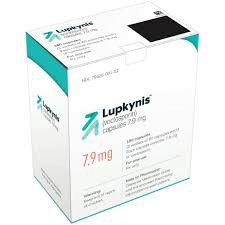
In terms of indications, cyclosporine has been approved for the treatment of systemic lupus erythematosus (SLE), especially lupus nephritis. Clinical studies have shown that cyclosporine can significantly improve proteinuria levels, delay the deterioration of renal function, and improve patients' quality of life. In combination therapy for lupus nephritis, cyclosporine is often used in combination with corticosteroids and immunosuppressants to increase efficacy and reduce the risk of hormone-related side effects. Its effects are rapid and sustained, with clear clinical advantages for high-risk patients.
In clinical use, dose adjustment and blood drug monitoring of Vociclosporin must be carried out strictly in accordance with the instructions of a doctor. Common adverse reactions include hypertension, dyslipidemia, mild to moderate changes in renal function and gastrointestinal discomfort, but most can be controlled through dose optimization and regular follow-up. During treatment, patients should regularly review renal function, electrolytes and blood pressure, and pay attention to lifestyle intervention to avoid increasing the burden on the kidneys. Overall, with its unique pharmacological properties and good tolerability, cyclosporine provides a safe and effective long-term management solution for lupus nephritis and other autoimmune diseases.
Reference materials:https://www.drugs.com/[ 免责声明 ] 本页面内容来自公开渠道(如FDA官网、Drugs官网、原研药厂官网等),仅供持有医疗专业资质的人员用于医学药学研究参考,不构成任何治疗建议或药品推荐。所涉药品可能未在中国大陆获批上市,不适用于中国境内销售和使用。如需治疗,请咨询正规医疗机构。本站不提供药品销售或代购服务。


