
.jpeg)
Comparison and recommendation of the effects of Prolixen and Tilorisen (Huacosi) in the treatment of narcolepsy
Narcolepsy (Narcolepsy) is a chronic central nervous system disorder characterized by excessive daytime sleepiness (Excessive Daytime Sleepiness, EDS) and cataplexy (cataplexy) As the main characteristics, it has a serious impact on the patient's work, study and daily life. The main goals of treatment are to improve daytime wakefulness, reduce cataplexy episodes, and improve quality of life. In recent years, with the advancement of drug research and development, Pitolisant (Pitolisant, also known as Pitolisant) has become a new treatment option for narcolepsy in clinical practice, and its efficacy and safety have attracted widespread attention.
Prolixen is a histamine H3 receptor antagonist / inverse agonist. By blocking the H3 receptors in the central nervous system, it enhances the activity of histamine neurons, thereby improving brain alertness and attention. Compared with traditional stimulant drugs, Prolixen does not directly stimulate dopamine or norepinephrine receptors, but improves daytime wakefulness and cataplexy frequency by regulating endogenous neurotransmitter levels. Clinical trials have shown that Prolixin can significantly reduce the number of cataplexy episodes and improve daytime wakefulness scores (Epworth Sleepiness Scale, ESS), and is well tolerated and is not likely to cause dependence or risk of abuse.
In contrast, traditional drugs such as modafinil (Modafinil), armodafinil (Armodafinil) and other stimulant drugs mainly act on dopamine transporters directly to increase the concentration of dopamine in the brain, thereby improving daytime sleepiness. These drugs are effective in improving wakefulness, but have limited effect in controlling cataplexy. They may also be accompanied by side effects such as insomnia, headache, increased blood pressure, or increased heart rate. These drugs should be used with caution in patients with underlying cardiovascular disease or stimulant sensitivity.
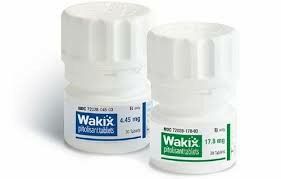
In terms of efficacy comparison, Prolixen shows unique advantages in reducing cataplexy attacks. Multiple clinical studies have shown that the frequency of cataplexy attacks in patients with narcolepsy was significantly reduced after 8–12 weeks of treatment, and ESS scores were also significantly improved. In contrast, although stimulant drugs can improve wakefulness, their effectiveness in relieving cataplexy is limited. In addition, Prolixen can be used as a monotherapy or in combination with other drugs to provide patients with personalized treatment options.
In terms of clinical recommendations, for narcolepsy patients with cataplexy as the main symptom , Prolixen can be the first or priority recommended drug, especially for patients with poor tolerance to stimulants or who are at risk of abuse. For patients whose main symptoms include daytime sleepiness and mild cataplexy, single drug or combined stimulants can be selected according to the severity of the symptoms. Drug dosage usually adopts a gradual approach, starting from a low dose and gradually adjusting to an effective dose. At the same time, symptom improvement and adverse reactions need to be regularly evaluated.
In terms of long-term management, Prolixin is well tolerated and safe. Common adverse reactions include headache, insomnia, nausea and mild anxiety, most of which are manageable symptoms. During the period of use, sleep hygiene management, lifestyle intervention and regular follow-up should be combined to evaluate the drug efficacy, cataplexy attack control and wakefulness improvement. For patients who require long-term treatment, Prolixin provides a low-dependence, long-term sustainable treatment option.
In summary, Prolixin has unique advantages in the treatment of narcolepsy compared with traditional stimulants, especially in terms of cataplexy attack control and long-term tolerance . For clinical application, doctors should develop an individualized treatment plan based on the patient's symptom characteristics, comorbid diseases, tolerance, and life needs, either as a single drug or in combination. While improving daytime wakefulness, Prolixin can effectively reduce cataplexy attacks and improve patients' overall quality of life, making it an important choice for the treatment of narcolepsy.
Reference materials:https://www.drugs.com/
[ 免责声明 ] 本页面内容来自公开渠道(如FDA官网、Drugs官网、原研药厂官网等),仅供持有医疗专业资质的人员用于医学药学研究参考,不构成任何治疗建议或药品推荐。所涉药品可能未在中国大陆获批上市,不适用于中国境内销售和使用。如需治疗,请咨询正规医疗机构。本站不提供药品销售或代购服务。


