
.jpeg)
How many years do you usually need to take macitentan (Aoposu)? Analysis of long-term treatment management plan
Macitentan (Macitentan) is an oral endothelin receptor antagonist (ERA), mainly used to treat pulmonary arterial hypertension (PAH). Its mechanism of action is to block endothelin receptors, thereby dilating pulmonary blood vessels, reducing pulmonary artery pressure, and improving right heart function. Since PAH is a chronic and progressive disease, macitentan usually needs to be taken long-term or even lifelong to maintain hemodynamic stability and delay disease progression.
The goals of long-term treatment are not only to improve symptoms and quality of life, but also to delay increases in pulmonary artery pressure, reduce the risk of heart failure, and prevent complications. Clinical guidelines recommend that during long-term medication, patients should monitor blood pressure, liver function and blood routine regularly to ensure that the medication is well tolerated. Usually, heart function (such as echocardiography or right heart catheterization) and exercise capacity (such as 6 minutes walking distance) need to be reviewed every 3–6 months to evaluate the efficacy and adjust the treatment plan.
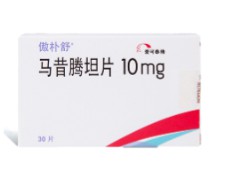
In long-term management, macitentan can be used alone or in combination with phosphodiesterase-5 inhibitors (such as sildenafil, tadalafil) or prostacyclin analogues to optimize hemodynamic effects and clinical benefit. Combination therapy requires the selection of appropriate drug combinations based on patient risk stratification, symptom severity, and tolerability, and must be managed by specialized cardiovascular or pulmonary hypertension centers.
In general, macitentan is a maintenance treatment drug for chronic diseases. It usually needs to be taken for a long time and needs to be combined with regular follow-up and comprehensive management strategies. Patients should adhere to medication under the guidance of professional doctors and pay attention to lifestyle interventions (such as moderate exercise, avoiding high-altitude environments, and controlling underlying diseases) to minimize disease progression and improve quality of life. Long-term standardized management can significantly improve the prognosis and reduce the risk of cardiopulmonary events.
Reference materials:https://www.drugs.com/
[ 免责声明 ] 本页面内容来自公开渠道(如FDA官网、Drugs官网、原研药厂官网等),仅供持有医疗专业资质的人员用于医学药学研究参考,不构成任何治疗建议或药品推荐。所涉药品可能未在中国大陆获批上市,不适用于中国境内销售和使用。如需治疗,请咨询正规医疗机构。本站不提供药品销售或代购服务。


