
.jpeg)
Analysis of the efficacy and possible side effects of aprocitentan in patients with hypertension
Aprocitentan (aprocitentan) is a new type of oral endothelin receptor antagonist (ERA), which mainly works by blocking endothelin receptor A (ERA span>ETA) and endothelin receptor B (ETB) activity, reducing vasoconstriction and sodium and water retention, thereby lowering blood pressure. This mechanism of action allows it to show good antihypertensive potential in patients with refractory hypertension. Studies have shown that aprecitentan can further significantly reduce systolic and diastolic blood pressure on top of standard antihypertensive treatment, especially in patients who do not respond well to traditional ACE inhibitors, ARBs or calcium channel blockers.
Clinical trial data show that the average reduction in systolic blood pressure of aprecitentan when used alone or in combination can reach 10~20 mmHg , and even more in some patients. Long-term use can effectively improve blood pressure control rate. Its antihypertensive effect is sustained and steady-state, and it not only reduces the risk of cardiovascular events, but may also improve target organ damage indicators such as left ventricular hypertrophy. In addition, due to its unique dual endothelin receptor antagonism, aprecitentan also shows certain potential in improving vascular compliance, reducing vascular tone and anti-inflammatory effects, and has clinical value for patients with refractory hypertension.
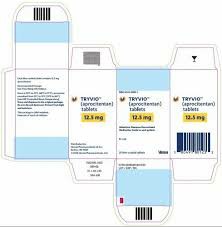
However, the use of aprecitentan is still associated with some possible side effects, which require the full attention of patients and doctors. Common adverse reactions include edema, headache, nasopharyngitis, fatigue, etc. Most of them are mild to moderate and can be controlled by adjusting the dosage or auxiliary diuretics. It is worth noting that lower limb edema or weight gain caused by water and sodium retention are typical side effects of endothelin receptor antagonists. Weight, urine output and blood pressure need to be monitored regularly, and diuretics or medication regimens need to be adjusted if necessary. In patients with hepatic impairment, it should be used with caution and liver enzyme levels monitored regularly to avoid potential liver damage.
Although aprecitentan has shown good antihypertensive efficacy, drug interactions and contraindications still need to be noted. For example, when used in combination with other strong blood pressure medications or diuretics, hypotension or electrolyte imbalance may occur, requiring gradual dose adjustment. At the same time, it should be disabled or used with caution for pregnant women, lactating women, and people with severe liver and kidney dysfunction. Clinically, patients should regularly follow up on blood pressure, liver and kidney function and blood indicators while using aprecitentan, and combine it with lifestyle interventions such as low-salt diet and moderate exercise to maximize the efficacy and reduce the risk of side effects.
Overall, aprecitentan has a significant antihypertensive effect in patients with hypertension, especially refractory hypertension, and shows potential in cardiovascular protection. Its main side effects are controllable and mostly mild to moderate, but they need to be managed through regular monitoring and reasonable dose adjustment. When used scientifically, aprecitentan can provide an effective treatment option for patients who have difficulty controlling blood pressure while improving overall quality of life and reducing cardiovascular risk.
Reference materials:https://www.fda.gov/
[ 免责声明 ] 本页面内容来自公开渠道(如FDA官网、Drugs官网、原研药厂官网等),仅供持有医疗专业资质的人员用于医学药学研究参考,不构成任何治疗建议或药品推荐。所涉药品可能未在中国大陆获批上市,不适用于中国境内销售和使用。如需治疗,请咨询正规医疗机构。本站不提供药品销售或代购服务。


