
.jpeg)
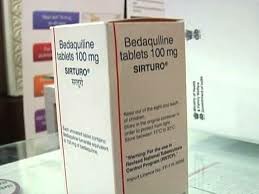
Bedaquiline tablets (Bedaquiline) dosage and usage
Bedaquiline tablets (Bedaquiline) is an anti-tuberculosis drug used to treat multidrug-resistant tuberculosis (MDR-TB). The following will introduce in detail the dosage and usage of bedaquiline tablets, drug interactions, and information on medication for special populations:
1. Dosage and usage:
1.Adult patients:
Weeks 1-2: 400mg each time, orally, 1 time with food;
Weeks 3-24: 200mg each time, orally, 3 times a week with food; the interval between two doses should be at least 48 hours.
2.Pediatric patients:
Weight greater than15kg and less than30kg:
Weeks 1-2: 200mg each time, orally, 1 time with food;
Weeks 3-24: 100mg each time, orally, 3 times a week with food, the interval between two doses should be at least 48 hours.
Weight greater than or equal to30Kilograms:
Weeks1-2: Every time400 mg, taken orally, once a day1 time with food;
Weeks 3-24: 200mg each time, orally, 3 times a week with food, the interval between two doses should be at least 48 hours.
3.Duration: Bedaquiline tablets are usually used as part of a comprehensive treatment plan for tuberculosis. The duration of treatment depends on the patient's specific condition and the severity of the TB infection. Treatment may last from several months to more than a year. Please follow your doctor's advice and complete the entire treatment process.
2. Drug interactions:
1.Rifampin (Rifampin): Rifampin is a commonly used drug to treat tuberculosis infection. When used together with bedaquiline tablets, rifampin may reduce the blood concentration of bedaquiline tablets. Therefore, the dose of bedaquiline may need to be adjusted when bedaquiline is used concurrently with rifampicin.
2.Antifungal drugs: some antifungal drugs, such as fluconazole (Fluconazole), itraconazole (Itracon azole) and clotrimazole (Ketoconazole), etc., may interact with bedaquiline tablets and affect the blood concentration of bedaquiline tablets. During concurrent use, dose adjustment or periodic monitoring of plasma concentrations may be required.
3.Heart drugs: Certain heart drugs, such as procainamide (Procainamide) and amiodarone (Amiodarone), may increase the impact of bedaquiline tablets on the electrical activity of the heart and increase the risk of arrhythmia. While using these drugs, cardiac function and electrocardiogram should be monitored closely and the dosage adjusted if necessary.
4.Antidepressant drugs: Certain antidepressant drugs, such as diazepam (Diazepam) and alprazolam (Alprazolam), etc., may increase the depressant effect on the central nervous system when used simultaneously with bedaquiline tablets. During concurrent use, dosage adjustments or monitoring of the patient for CNS effects may be necessary.
Please note that these are just some of the common drug interactions and others may exist. Before using bedaquiline tablets, give your doctor or pharmacist a detailed medication list and inform them of all medications, over-the-counter medications, and supplements you are using.
3. Medication for special groups:
1.Pregnant and lactating women: The use of bedaquiline tablets in pregnant and lactating women has not been fully studied, so use in these populations should be weighed against clinical need and potential risks and based on physician advice.
2.Elderly patients: For older patients, bedaquiline tablets should be used with caution, and the dose should be adjusted according to the patient's kidney and liver function.
3.Children and Adolescents: The safety and efficacy of bedaquiline tablets in children and adolescents 18 years of age has not been established, so use in this age group should be based on physician advice.
4.Patients with Impaired Hepatic Function: The dose of bedaquiline tablets may need to be adjusted in patients with impaired hepatic function. When used in these patients, hepatic function should be closely monitored and dosage adjustments made as needed.
Please note that the above information is for reference only and is not intended to substitute for the advice of a physician or professional medical provider. Before using bedaquiline tablets or any medicine, consult your doctor for accurate guidance tailored to your individual situation.
Bedaquiline tablets have been launched in China and have been included in Class B medical insurance. Patients can buy it domestically, but the price is very high. The price of 100mg*24tablets is around 15,000 yuan. For specific prices, please consult the local hospital pharmacy. There are only original drugs abroad, and the more cost-effective ones are Russian original drugs. The price of 100mg*188 tablets is also about 15,000 yuan. The specifications are about 8 times that of domestic ones. Relatively speaking, the price is still very cheap compared to domestic ones. And the ingredients of domestic and foreign original drugs are consistent.
[ 免责声明 ] 本页面内容来自公开渠道(如FDA官网、Drugs官网、原研药厂官网等),仅供持有医疗专业资质的人员用于医学药学研究参考,不构成任何治疗建议或药品推荐。所涉药品可能未在中国大陆获批上市,不适用于中国境内销售和使用。如需治疗,请咨询正规医疗机构。本站不提供药品销售或代购服务。


