
.jpeg)
Sorafenib Precautions
During treatment with Sorafenib (Sorafenib), patients should pay attention to the occurrence of cardiovascular events, bleeding, hypertension, skin toxicity, gastrointestinal perforation, impaired wound healing, QT interval prolongation, drug-induced liver injury and other adverse events. As long as the treatment is effective and there are not too many side effects, you can continue to take Sorafenib.
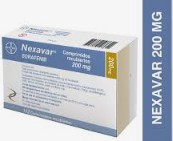
1. Cardiovascular events: In multiple clinical trials,1.9% of patients treated with sorafenib developed congestive heart failure, and the incidence of cardiac ischemia/infarction was about 2.7%. Patients who experience cardiovascular events may consider temporarily or permanently discontinuing sorafenib.
2. Bleeding: The risk of bleeding may increase after using sorafenib. The incidence rates of esophageal variceal bleeding (2.4% and 4%) and fatal bleeding from any site (2.4% and 4%) are similar. If any bleeding requires medical intervention, consider permanently discontinuing sorafenib.
3. Hypertension: In a study of hepatocellular carcinoma (HCC), 9.4% of patients receivingsorafenib reported hypertension. It is recommended to monitor blood pressure every week for 6 weeks before using sorafenib. In accordance with standard medical practice, temporary or permanent discontinuation of sorafenib should also be considered if severe or persistent hypertension occurs and antihypertensive therapy is administered.
4. Skin toxicity: Hand-foot skin reactions and rash are the most common adverse reactions of sorafenib. Rashes and hand-foot skin reactions are typically grade 1 and 2 and usually occur within the first six weeks of treatment with sorafenib. Management of skin toxicity may include topical treatments to relieve symptoms, temporary interruption of treatment and/or reduction of sorafenib dose, or, in severe or persistent cases, permanent discontinuation of sorafenib.
5. Gastrointestinal perforation: Less than 1% of patients taking sorafenib develop gastrointestinal perforation. In some cases, this is not associated with overt intra-abdominal neoplasm. If gastrointestinal perforation occurs, permanently discontinue sorafenib.
6. Impaired wound healing: Patients receiving drugs that inhibit the VEGF signaling pathway may experience impaired wound healing. Sorafenib may have an adverse effect on wound healing, so sorafenib should be discontinued at least 10 days before elective surgery and should not be administered for at least 2 weeks after major surgery until the wound has completely healed.
7. QT interval prolongation: Sorafenib can prolongQT/QTc interval, prolongation of the QT/QTc interval increases the risk of ventricular arrhythmias. Avoid the use of sorafenib in patients with congenital long QT syndrome. Monitor electrolytes and ECGs in patients with congestive heart failure, bradyarrhythmias, and drugs known to prolong the QT interval (including Class Ia and Class III antiarrhythmic drugs). Correct electrolyte abnormalities (magnesium, potassium, calcium). Interrupt sorafenib if the QTc interval is greater than 500 msec or increases by 60 msec or more from baseline.
8. Drug-induced liver injury: Sorafenib-induced hepatitis is characterized by hepatocellular liver damage. Transaminase is significantly elevated, which may lead to liver failure and death. If transaminase is significantly elevated and unexplained, such as viral hepatitis or potential malignant tumor progression, sorafenib should be discontinued.
9. Embryo-Fetal toxicity:According to the mechanism of action of sorafenib and its findings in animals, when pregnant women take sorafenib, it may cause harm to the fetus. Maternal exposure to sorafenib induces significantly lower embryo-fetal toxicity in animals than human exposure (recommended dose is 400 mg twice daily). Physicians need to inform pregnant women and women of reproductive potential of the potential risks to the fetus. Females of childbearing potential are advised to use effective contraception during treatment and for 6 months after the last dose of sorafenib, and male patients and pregnant partners of female partners of childbearing potential are advised to use effective contraception during treatment and for 3 months after the last dose of sorafenib.
10. Impaired thyroid-stimulating hormone suppression in differentiated thyroid cancer: Sorafenib weakens exogenous thyroid suppression. In the differentiated thyroid cancer (DTC) study, 99% of patients had baseline thyroid-stimulating hormone (TSH) levels below 0.5mU/L. TSH levels greater than 0.5 mU/L were observed in 41% of patients treated with sorafenib.
The original drug of sorafenib has been launched in China and has entered the scope of medical insurance. Different regions have different reimbursement ratios, and the price after reimbursement may vary. SpecificationsThe price of 0.2g*60 tablets may be around 1,200 yuan. The original drug of sorafenib has also been launched overseas, and there are also generic drugs of sorafenib produced in other countries. The price of 0.2g*60 tablets produced by a Bangladesh pharmaceutical factory is around RMB 450 (the price may fluctuate due to the exchange rate). The ingredients of the original drug are basically the same as those of the generic drugs. For specific prices and drug details, please consult the medical consultant of Yaode.
[ 免责声明 ] 本页面内容来自公开渠道(如FDA官网、Drugs官网、原研药厂官网等),仅供持有医疗专业资质的人员用于医学药学研究参考,不构成任何治疗建议或药品推荐。所涉药品可能未在中国大陆获批上市,不适用于中国境内销售和使用。如需治疗,请咨询正规医疗机构。本站不提供药品销售或代购服务。


