
.jpeg)
What are the precautions for Osimertinib?
During the treatment of patients with Osimertinib, attention should be paid to the occurrence of interstitial lung disease/pneumonitis, QTc interval prolongation, cardiomyopathy, keratitis, severe erythema multiforme, Stevens-Johnson syndrome and toxic epidermal necrolysis, cutaneous vasculitis, aplastic anemia and other events.
1. Interstitial Lung Disease (ILD)/Pneumonia: In patients who experience worsening of respiratory symptoms that may be indicative of ILD, such as dyspnea, cough, and fever, discontinue Teglisol and investigate ILD immediately. If ILD/pneumonitis is confirmed, permanently discontinue osimertinib. The incidence of interstitial lung disease (ILD)/pneumonia was 3.8%; 0.3% of cases were fatal.
2. QTc interval prolongation: Regular electrocardiogram and electrolyte monitoring should be performed in patients with congenital long QTc syndrome, congestive heart failure, electrolyte abnormalities, or who are taking drugs known to prolong the QTc interval. Osimertinib should be permanently discontinued in patients who develop QTc prolongation with signs/symptoms of life-threatening arrhythmias.
3. Cardiomyopathy: Cardiomyopathy (defined as heart failure, chronic heart failure, congestive heart failure, pulmonary edema, or reduced ejection fraction) occurred in 3% of patients treated with osimertinib; 0.1% of cardiomyopathy cases were fatal. Perform cardiac monitoring in patients with cardiac risk factors, including assessment of left ventricular ejection fraction (LVEF) at baseline and during treatment. Osimertinib should be permanently discontinued in symptomatic congestive heart failure.
4. Keratitis: In clinical trials, 0.7% of patients treated with osimertinib reported keratitis. Patients with signs and symptoms of keratitis (such as eye inflammation, tearing, light sensitivity, blurred vision, eye pain, and/or red eyes) should promptly inform their doctor.
5. Erythema multiforme severe, Stevens-Johnson syndrome, and toxic epidermal necrolysis: Postmarketing cases consistent with erythema multiforme (EMM), Stevens-Johnson syndrome (SJS), and toxic epidermal necrolysis (TEN) have occurred in patients treated with Teglisol. Discontinue osimertinib if EMM, SJS or TEN is suspected, or permanently if confirmed.
6. Cutaneous vasculitis: Post-marketing cases of cutaneous vasculitis, including leukocytoclastic vasculitis, urticarial vasculitis and IgA vasculitis, have been reported in patients treated with osimertinib. If cutaneous vasculitis is suspected, discontinue osimertinib and consider dermatologic consultation. If no other cause can be identified, consider permanent discontinuation of osimertinib based on severity.
7. Aplastic anemia: Signs and symptoms of aplastic anemia include, but are not limited to, new or persistent fever, bruising, bleeding, and paleness. If aplastic anemia is suspected, discontinue osimertinib and obtain hematology consultation. If aplastic anemia is diagnosed, permanently discontinue osimertinib.
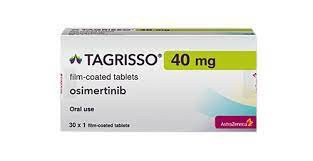
OsimertinibThe original drug has been launched in China and has entered the scope of medical insurance. Its name is Osimertinib Mesylate Tablets. The reimbursement ratio is different in different regions, and the price after reimbursement may be different. SpecificationThe price of 80mg*30 tablets per box is around RMB 5,000, which is relatively expensive. The original drug of Osimertinib has also been launched overseas, and there are also generics of Osimertinib produced in other countries. For example, the price of 80mg*30 tablets per box produced by Bangladesh Yaopin International is around RMB 850 (the price may fluctuate due to the exchange rate). The price is relatively cheap. The ingredients of the generic Osimertinib and the original drug are basically the same.
[ 免责声明 ] 本页面内容来自公开渠道(如FDA官网、Drugs官网、原研药厂官网等),仅供持有医疗专业资质的人员用于医学药学研究参考,不构成任何治疗建议或药品推荐。所涉药品可能未在中国大陆获批上市,不适用于中国境内销售和使用。如需治疗,请咨询正规医疗机构。本站不提供药品销售或代购服务。


