
.jpeg)
How effective is Entrectinib in treating lung cancer?
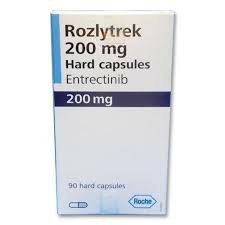
Entrectinib (Entrectinib) is a multi-target oral targeted therapy drug mainly used to treat specific types of cancer, including non-small cell lung cancer (NSCLC) and some other solid tumors. It inhibits tumor growth and spread by inhibiting some key signaling pathways in tumor cells. Entrectinib mainly acts on TRK, ROS1 and ALK fusion proteins. These fusion proteins are overexpressed in some tumors, leading to tumor progression.
Clinical trial data provide valuable information for evaluating the efficacy of entrectinib in the treatment of lung cancer. Here are some key findings related to clinical trial data on entrectinib in the treatment of lung cancer:
1. ROS1fusion-positive non-small cell lung cancer: Entrectinib has shown significant efficacy in patients with ROS1fusion-positive NSCLC. Clinical trial results show that entrectinib can inhibit the activity of ROS1 fusion protein, thereby inhibiting tumor growth. A clinical trial (STARTRK-2) on ROS1fusion-positive NSCLC patients showed that the overall response rate of entrectinib reached more than 70% . This means that the vast majority of patients showed tumor shrinkage or stabilization after treatment with entrectinib.
2. TRKfusion-positive cancers: Entrectinib also shows good efficacy in treatingTRKfusion-positive cancers. TRKfusions are found in a variety of cancers, including NSCLC. Clinical trial data show that entrectinib can significantly inhibit the TRK fusion protein and show therapeutic effects on these tumors. The results of a trial on patients with TRK fusion-positive cancer (STARTRK-NG) showed that the overall effectiveness of entrectinib also reached 70% or more.
3. ALKfusion-positive non-small cell lung cancer: Entrectinib also shows good efficacy in patients with ALKfusion-positive NSCLC. Clinical trial results show that entrectinib can effectively inhibit the ALK fusion protein, thereby slowing down the growth of tumors. Results from a trial (ALKA-372-001) of patients with ALKfusion-positive NSCLC showed that entrectinib achieved a positive therapeutic response in the treatment of these patients.
It should be noted that the specific circumstances of each clinical trial and the characteristics of participating patients may affect the trial results. The interpretation of efficacy data requires a comprehensive analysis based on the design of the clinical trial, the selection of the trial population, and other factors.
Overall, entrectinib has shown significant efficacy in the treatment of lung cancer, particularly in TRK, ROS1 and ALK fusion-positive tumors. However, the specific manifestation of efficacy may vary depending on the patient's genotype, tumor stage, health status and other factors. For patients with lung cancer, especially those with specific gene fusions, entrectinib may be a promising treatment option, but specific treatment decisions need to be made under the guidance of a physician and take into account the individual patient's circumstances.
Entrectinib has been launched in China, but due to its short time on the market, it has not yet been included in the medical insurance catalog. Since it has just been launched, it is difficult to purchase domestically and the price is very high. For specific prices, please consult the hospital pharmacy at that time. There are original drugs and generic drugs abroad. The original drugs abroad are mainly European versions of original drugs. The price is about 45,000 yuan. The price is relatively high and may be unaffordable for ordinary families. Generic drugs are mainly Lao generic drugs, with prices ranging from 4,000 to 8,000yuan, which are much cheaper than original drugs, and the ingredients of original drugs and generic drugs are basically the same.
[ 免责声明 ] 本页面内容来自公开渠道(如FDA官网、Drugs官网、原研药厂官网等),仅供持有医疗专业资质的人员用于医学药学研究参考,不构成任何治疗建议或药品推荐。所涉药品可能未在中国大陆获批上市,不适用于中国境内销售和使用。如需治疗,请咨询正规医疗机构。本站不提供药品销售或代购服务。


