
.jpeg)
How effective is ibrutinib?
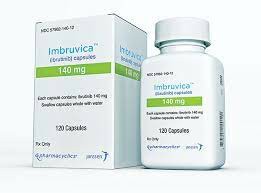
Ibrutinib (Ibrutinib) is a targeted therapy drug mainly used to treat certain types of leukemia and lymphoma, including chronic lymphocytic leukemia (CLL), small lymphocytic lymphoma (SLL), and mucosa-associated lymphoid tissue lymphoma (MALTlymphoma). Its therapeutic effect has been verified in multiple clinical trials. The following will introduce the therapeutic effect of ibrutinib in different disease areas.
1. Chronic lymphocytic leukemia (CLL):
Clinical trial results: Ibrutinib has been remarkably successful in treatingCLL. Clinical trials (the RESONATE study and the RESONATE-2 study) showed that patients treated with ibrutinib showed significant improvements in survival. In a study with long-term follow-up, the use of ibrutinib resulted in higher survival rates and longer progression-free survival. In addition, ibrutinib also significantly reduced symptoms such as lymphadenopathy and splenomegaly.
Continuing treatment: Ibrutinib is often given as part of ongoing treatment designed to maintain CLL control and slow disease progression.
2. Small lymphocytic lymphoma (SLL):
Clinical trial results: Ibrutinib also showed good results in the treatment of SLL. Clinical trial data show that patients taking ibrutinib generally have longer survival and higher disease response rates.
3. Mucosa-associated lymphoid tissue lymphoma (MALTlymphoma):
Clinical trial results: In specific subtypesMALTIbrutinib has also been shown to be effective in the treatment of lymphoma. Studies have found that ibrutinib treatment led to disease remission and improved symptoms in some patients.
In general, ibrutinib has achieved significant clinical results in the treatment of CLL, SLL and MALT lymphoma. It is often used as a continuous treatment, which can effectively control the disease, slow down the progression of the disease, and improve the patient's survival and quality of life.
It should be noted that the therapeutic effect of ibrutinib varies depending on the patient's condition, disease characteristics and individual differences. Some patients may be very responsive to ibrutinib and achieve long-term disease control, while others may require a shorter period of time to achieve similar results. Treatment plans should be developed by physicians on a patient-specific basis and adjusted based on disease progression and treatment response.
In summary, ibrutinib, as a targeted therapy, provides an effective treatment option for patients with CLL, SLL and MALT lymphoma. Its clinical trial results show that it has potential good effects in controlling disease, prolonging survival and improving quality of life. Patients should use ibrutinib under physician supervision and undergo regular medical monitoring to ensure optimal treatment results.
Ibrutinib is currently on the market in China and is included in medical insurance. The domestic price ranges from 10,000 to 20,000. Due to different medical insurance policies in different places, the price is also different. For specific reimbursement information, please consult the local hospital pharmacy or medical insurance bureau. The cheaper types of ibrutinib abroad are generic drugs, mainly Indian generic drugs, Bangladeshi generic drugs and Laos generic drugs, with prices ranging from a few hundred to several thousand yuan. And the ingredients of generic ibrutinib drugs are basically the same as those of domestic ibrutinib drugs.
[ 免责声明 ] 本页面内容来自公开渠道(如FDA官网、Drugs官网、原研药厂官网等),仅供持有医疗专业资质的人员用于医学药学研究参考,不构成任何治疗建议或药品推荐。所涉药品可能未在中国大陆获批上市,不适用于中国境内销售和使用。如需治疗,请咨询正规医疗机构。本站不提供药品销售或代购服务。


