
.jpeg)
What is the difference between ibrutinib and zanubrutinib? Which one is better?
Ibrutinib and zanubrutinib (Zanubrutinib) are two drugs that belong to the BTK inhibitor class and are used to treat certain types of leukemia and lymphoma. While they have some similarities, there are also some differences, and the question of which one is better involves multiple factors, including the patient's specific situation and treatment goals.
Here are the key differences between ibrutinib and zanubrutinib:
1. Chemical structure:
Ibrutinib: Ibrutinib was the first BTK inhibitor to be approved and has been in clinical use for some time. Its chemical structure is relatively mature.
Zanubrutinib: Zanubrutinib is a relatively new drug with a different chemical structure than ibrutinib and was designed to be a more selectiveBTKinhibitor.
2. Selectivity:
Ibrutinib: Although ibrutinib is very effective at targeting theBTKenzyme, it may also affect other proteins to some extent. This non-specificity may lead to certain side effects.
Zanubrutinib: Zanubrutinib was designed to be more selective, acting primarily on the BTKenzyme, thus interfering less with other proteins and potentially causing fewer adverse effects.
3. Clinical trial data:
Ibrutinib: Ibrutinib has been studied extensively in clinical trials and has been approved in multiple countries for the treatment of CLL, SLL, MALTlymphoma and other related diseases.
Zanubrutinib: Zanubrutinib has also been in clinical trials and has been approved to treat some of the same diseases, such as CLL and MCL (adjuvant Tcellular lymphoma).
4. Medicine administration:
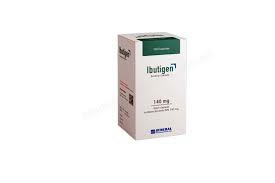
Ibrutinib: Ibrutinib is usually taken by mouth once daily.
Zanubrutinib: Zanubrutinib is usually taken orally once daily and is available as a fixed-dose capsule for patients.
5. Treatment indications:
Ibrutinib and zanubrutinib have overlapping therapeutic indications, includingCLL and MCL. But the choice of which drug to use often depends on the patient's specific situation, his or her doctor's recommendations, and the goals of treatment.
6. Side effects:
Both ibrutinib and zanubrutinib may cause some side effects, such as bleeding tendencies, high blood pressure, fatigue, abnormal liver function, etc. However, zanubrutinib may have fewer side effects in some respects due to its higher selectivity.
7. Treatment effect:
There is no clear evidence that which drug is better in all situations. Treatment effectiveness often varies depending on the patient's condition, characteristics, and response. The doctor will develop the most appropriate treatment plan based on the patient's specific situation.
In summary, ibrutinib and zanubrutinib are two potentBTKinhibitors used to treat certain types of leukemia and lymphoma. Which drug is better depends on the individual patient's condition and treatment goals. Patients should receive appropriate treatment under the guidance of a doctor and pay close attention to treatment effects and any adverse reactions. Doctors will develop the best treatment plan based on the latest research and the patient's needs.
Ibrutinib is currently on the market in China and is included in medical insurance. The domestic price is 10,000~20,000It doesn’t vary. Due to different medical insurance policies in different places, the prices are also different. Please consult the local hospital pharmacy or medical insurance bureau for specific reimbursement information. The cheaper types of ibrutinib abroad are generic drugs, mainly Indian generic drugs, Bangladeshi generic drugs and Laos generic drugs, with prices ranging from a few hundred to several thousand yuan. And the ingredients of generic ibrutinib drugs are basically the same as those of domestic ibrutinib drugs. Zanubrutinib is a domestically produced drug and patients can purchase it domestically. Please consult the local hospital pharmacy for specific prices.
[ 免责声明 ] 本页面内容来自公开渠道(如FDA官网、Drugs官网、原研药厂官网等),仅供持有医疗专业资质的人员用于医学药学研究参考,不构成任何治疗建议或药品推荐。所涉药品可能未在中国大陆获批上市,不适用于中国境内销售和使用。如需治疗,请咨询正规医疗机构。本站不提供药品销售或代购服务。


