
.jpeg)
Adverse reactions to Delamanid
Delamanid is indicated for pulmonary multidrug-resistant tuberculosis (MDR-TB) in adults, adolescents, children and infants weighing at least 10kg, for whom an effective treatment regimen cannot be formed due to drug resistance or tolerance. Physicians will consider official guidelines for appropriate use of antimicrobials.
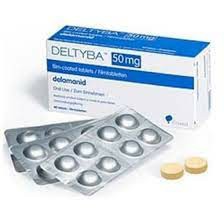
Adverse drug reactions observed in clinical studies of delamanid + optimized therapy included nausea, vomiting, headache, insomnia, dizziness, tinnitus, hypokalemia, gastritis, decreased appetite, and fatigue. No cases of delamanid overdose were observed in clinical trials. However, additional clinical data show that in patients receiving 200 mg twice daily (i.e., a total of 400 mg daily of delamanid), the overall safety profile is comparable to patients receiving the recommended dose of 100 mg twice daily. Nonetheless, some responses were observed at higher frequencies, and the rate of QT prolongation increased in a dose-related manner. Treatment of overdose should include immediate steps to clear delamanid from the gastrointestinal tract and supportive care as needed, with frequent ECG monitoring.
The original drug Delamani has been launched in China and is included in the scope of Class B medical insurance. Reimbursement is limited to patients with multi-drug-resistant tuberculosis. Specifications The price of each box of 50mg*60 tablets may be around RMB 6,000. The price of the Russian version of the original drug Dramani, 50mg*48 tablets, sold overseas may be around RMB 1,000-2,000 per box (the price may fluctuate due to the exchange rate). There is currently no generic version of Dramani available on the market. For more drug information and specific prices, please consult Yaode’s medical consultant.
[ 免责声明 ] 本页面内容来自公开渠道(如FDA官网、Drugs官网、原研药厂官网等),仅供持有医疗专业资质的人员用于医学药学研究参考,不构成任何治疗建议或药品推荐。所涉药品可能未在中国大陆获批上市,不适用于中国境内销售和使用。如需治疗,请咨询正规医疗机构。本站不提供药品销售或代购服务。


