
.jpeg)
Does Siponimod have a restorative effect?
Siponimod is a disease-modifying drug for multiple sclerosis (Multiple Sclerosis, MS). drug, DMD), the main therapeutic goals are to slow the progression of the disease and relieve symptoms, rather than direct repair. However, siponimod may have some indirect effects on neurological repair in some aspects.
Here are some possible effects of siponimod on neurological repair:
1.Reduce inflammation: Multiple sclerosis is an immune disease in which the immune system attacks the central nervous system, causing inflammation and nerve damage. By reducing the activity of the immune system, siponimod reduces the extent of the inflammatory response, thereby helping to reduce new nerve damage. This inflammation-reducing effect provides the nervous system with an environment more conducive to repair.
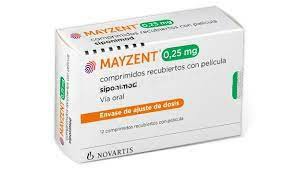
2.Slow down the progression: The main effect of siponimod is to slow down the progression of MS, which includes reducing the speed of nerve damage. While siponimod does not directly repair already damaged nerve tissue, by reducing new inflammation and nerve damage, it prevents existing damage from getting worse, giving the body more time to repair itself.
3.Improve quality of life: ReducingMS symptoms is an important role of siponimod. By reducing symptoms such as pain, fatigue, and paresthesias, patients can more easily undergo rehabilitation treatments, including physical therapy and rehabilitation exercises, to promote functional recovery of the nervous system.
It should be noted that siponimod is not a direct nerve repair drug. It cannot reverse nerve damage that has already occurred or restore damaged nerve tissue. Nerve repair is an important target in the therapeutic field of MS, but there are currently no drugs available for large-scale nerve repair. Scientists and researchers are conducting extensive research to try to find more effective methods of nerve repair, but this is still an area of u200bu200bactive research and there are currently no clear drugs that can achieve complete nerve repair.
In general, the treatment of multiple sclerosis with siponimod is mainly focused on reducing symptoms, slowing the progression of the disease and improving the quality of life. Although it may help to provide an environment conducive to nervous system repair to a certain extent, it is not a direct nerve repair drug. Any treatment plan for multiple sclerosis should be developed under the guidance of a physician and based on the patient's specific circumstances and needs.
[ 免责声明 ] 本页面内容来自公开渠道(如FDA官网、Drugs官网、原研药厂官网等),仅供持有医疗专业资质的人员用于医学药学研究参考,不构成任何治疗建议或药品推荐。所涉药品可能未在中国大陆获批上市,不适用于中国境内销售和使用。如需治疗,请咨询正规医疗机构。本站不提供药品销售或代购服务。


