
.jpeg)
Can Siponimod cure multiple sclerosis?
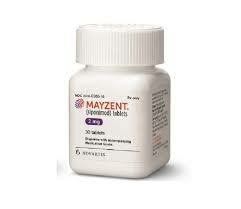
Siponimod is a type of multiple sclerosis (Multiple Sclerosis, MS) have played an important role in treating this complex autoimmune disease, but to be clear, there are currently no drugs available to cure MS. To delve deeper into this issue, let’s explore the role, efficacy, and limitations of siponimod in the context of clinical trial data.
1.The nature of multiple sclerosis
To understand why multiple sclerosis cannot be completely cured, you first need to understand the nature of the disease. Multiple sclerosis is an autoimmune disease in which the immune system attacks the central nervous system. In people with MS, the immune system mistakenly attacks and damages myelin, the protective covering around nerve cells. This damage interferes with the transmission of nerve signals, leading to a variety of symptoms such as vision problems, abnormal sensations, muscle weakness, and more. Therefore, to cure MS, one must change the abnormal behavior of the immune system, an extremely complex and challenging goal.
2.The mechanism of action of siponimod
Siponimod is a selectiveS1P1 receptor modulator that affects the course of multiple sclerosis by interfering with the activity of the immune system. The following are its main mechanisms of action:
Immune system regulation: The main function of siponimod is to reduce the activity of the immune system, especially the activity of lymphocytes. It reduces the severity of multiple sclerosis by preventing certain lymphocytes from entering the central nervous system, reducing inflammation and nerve damage.
Slowing disease progression: By controlling inflammation and immune attack, siponimod can slow the progression of multiple sclerosis. It reduces the risk of new nerve damage and helps protect existing nerve structures.
3.Clinical Experimental Data
The following will introduce some clinical experimental data related to siponimod in the treatment of multiple sclerosis to more fully understand its efficacy and limitations:
Phase III Clinical Trial: The efficacy of siponimod was demonstrated in a Phase III clinical trial called“EXPAND”. The trial, which included 1,651 people with multiple sclerosis, showed that patients taking siponimod experienced significantly reduced disease activity over two years compared with placebo, including reduced formation of new lesions and reduced progression of disability. This suggests that siponimod can effectively reduce the clinical symptoms and progression of multiple sclerosis.
Improved quality of life: In addition to improvements in clinical symptoms, studies have shown that patients taking siponimod generally report higher quality of life, including better physical function and activities of daily living.
Safety and tolerability: The safety and tolerability of siponimod have also been verified in clinical trials. Most patients are able to use this drug safely, although some patients may experience minor side effects such as headaches, high blood pressure, and infections.
4.The Challenge of Healing
Although siponimod and other disease-modifying drugs for MS can be effective in reducing symptoms, slowing disease progression, and improving quality of life, it is important to be clear that they do not cure MS. The challenges of curing MS mainly include the following aspects:
The complexity of the immune system: Multiple sclerosis is related to abnormal immune system activity. The key to treatment is to adjust the immune system so that it no longer attacks the central nervous system. Currently, there is no way to completely repair the immune system.
Difficulty of nerve repair: Even if the immune system's attack is controlled, it is difficult to completely repair the damaged nerve tissue. Nerve repair is a complex process that requires finding ways to promote the growth of new nerve myelin and functional recovery of damaged neurons.
Individual Differences: Every person with MS has a different condition and different treatment needs and responses. Therefore, an individualized treatment plan is crucial.
Overall, siponimod has made significant progress in treating multiple sclerosis, helping to reduce symptoms, slow disease progression and improve quality of life. However, multiple sclerosis is a complex immune disease for which there are currently no drugs available to cure it. Scientists and researchers are continually working to find more effective treatments, including nerve repair and immune system modulation, to help MS patients achieve better quality of life and disease management. Until then, disease-modifying drugs such as siponimod remain key tools in MS treatment. Patients should follow an individualized treatment plan based on their doctor's recommendations and participate in clinical studies to advance the field of multiple sclerosis treatment.
[ 免责声明 ] 本页面内容来自公开渠道(如FDA官网、Drugs官网、原研药厂官网等),仅供持有医疗专业资质的人员用于医学药学研究参考,不构成任何治疗建议或药品推荐。所涉药品可能未在中国大陆获批上市,不适用于中国境内销售和使用。如需治疗,请咨询正规医疗机构。本站不提供药品销售或代购服务。


