
.jpeg)
Is Siponimod a hormonal drug?
Siponimod (Siponimod) is not a hormonal drug. It belongs to a class of drugs called disease-modifying drugs (disease-modifying drugs, referred to as DMDs), which are mainly used to treat multiple sclerosis (Multiple Sclerosis, MS).
Multiple sclerosis is an autoimmune disease and is not directly related to hormone drug treatment. Hormone drugs are commonly used to treat a variety of different types of diseases, including immune disorders, but their mechanisms of action and uses are very different from DMDs such as siponimod.
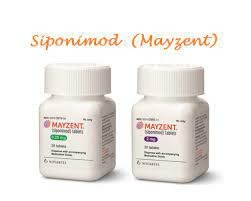
Siponimod’s main effect is to reduce symptoms in patients with multiple sclerosis and slow the progression of the disease by affecting the immune system. It is a selective S1P1 receptor modulator that reduces the activity of the immune system by reducing the migration of lymphocytes, thereby reducing the immune system's attack on the central nervous system. This helps reduce inflammation and nerve damage, improving patients' quality of life.
Hormonal drugs, such as corticosteroids, are often used to control inflammation and immune responses, but their use is usually short-term because long-term use can cause serious side effects. In contrast, siponimod and other DMDs are designed to provide long-term disease management to slow the progression and reduce symptoms of MS.
In short, siponimod is not a hormonal drug, but a disease-modifying drug used to treat multiple sclerosis, and its mechanism of action is different from that of hormonal drugs. Treatment options for multiple sclerosis are usually based on the patient's condition and the recommendations of the doctor, and can include the use of DMDs, hormonal drugs, or a combination of other treatments. Patients should use appropriate medications as directed by their physician and be monitored and evaluated regularly.
[ 免责声明 ] 本页面内容来自公开渠道(如FDA官网、Drugs官网、原研药厂官网等),仅供持有医疗专业资质的人员用于医学药学研究参考,不构成任何治疗建议或药品推荐。所涉药品可能未在中国大陆获批上市,不适用于中国境内销售和使用。如需治疗,请咨询正规医疗机构。本站不提供药品销售或代购服务。


