
.jpeg)
What are the precautions for Nintedanib?
During treatment with Nintedanib, patients should pay attention to the occurrence of elevated liver enzymes and drug-induced liver injury, diarrhea, nausea and vomiting, arterial thromboembolic events, bleeding risk, gastrointestinal perforation, nephrotic range proteinuria and other events.
1. Elevated liver enzymes and drug-induced liver injury (DILI): Cases of severe liver injury resulting in death have been reported during the post-marketing period. Most liver events occurred within the first three months of treatment. In clinical trials, administration of nintedanib was associated with increases in liver enzymes (ALT, AST, ALKP, GGT) and bilirubin. Before starting treatment, perform liver function tests regularly for the first three months and periodically thereafter or as clinically indicated. If a patient reports symptoms that may indicate liver injury, including fatigue, anorexia, right upper abdominal discomfort, dark urine, or jaundice, a liver test should be performed immediately. Elevated hepatic enzymes may require dose adjustment or medication interruption.
2. Diarrhea: Diarrhea is the most common gastrointestinal event in clinical trials. In most patients, the event was mild to moderate and occurred within the first 3 months of treatment. Dose adjustments or treatment interruptions may be necessary for patients who experience diarrheal adverse reactions. At the first onset of diarrheal symptoms, treat with adequate hydration and an antidiarrheal medication (e.g., loperamide), and if diarrhea persists, consider reducing the dose or interrupting treatment.
3. Nausea and vomiting: For nausea or vomiting that persists despite appropriate supportive care (including anti-emetic treatment), dose reduction or treatment interruption may be necessary. Treatment with nintedanib may be resumed at full dose (150 mg twice daily) or at a reduced dose (100 mg twice daily) and may subsequently be increased to full dose. If severe nausea or vomiting does not resolve, discontinue treatment with nintedanib.
4. Arterial thromboembolic events: Myocardial infarction is the most common adverse reaction in arterial thromboembolic events. Caution should be used when treating patients with higher cardiovascular risks (including known coronary artery disease). Treatment interruption should be considered in patients who develop signs or symptoms of acute myocardial ischemia.
5. Bleeding risk: In clinical trials, epistaxis is the most common bleeding event. Use nintedanib in patients with a known risk of bleeding only if the expected benefits outweigh the potential risks.
6. Gastrointestinal perforation: Caution should be used when treating patients who have had recent abdominal surgery, have a history of diverticular disease, or are receiving corticosteroids orNSAIDs. Patients who develop gastrointestinal perforation should discontinue nintedanib treatment. Use nintedanib in patients with a known risk of gastrointestinal perforation only if the expected benefits outweigh the potential risks.
7. Nephrotic range proteinuria: Cases of nephrotic range proteinuria have been reported during the post-marketing period. The available histologic findings were consistent with glomerular microangiopathy with or without renal thrombosis. Improvement of proteinuria has been observed after discontinuation of nintedanib; in some cases, residual proteinuria persisted. Consider interrupting treatment in patients who develop new or worsening proteinuria.
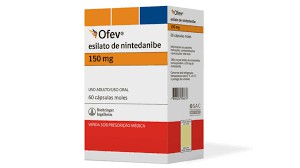
The original drug of nintedanib is marketed in China as nintedanib ethanesulfonate soft capsules and is covered by Class B medical insurance, but reimbursement is limited to patients who meet the indications. SpecificationsThe price of each box of 150mg*30 capsules may be more than 4,000 yuan. Nintedanib Original drug available overseas has Turkish version and Indian version, specificationsThe price of 150mg*60 capsules per box may be more than 5,000 RMB (the price may fluctuate due to the exchange rate). There are also nintedanib generic drugs produced overseas in other countries. For example, the price of 150mg*30 capsules produced by BDR Pharmaceutical Factory in India may be several hundred yuan per box (the price may fluctuate due to exchange rates). Its pharmaceutical ingredients are basically the same as those of the original drugs sold domestically and abroad.
[ 免责声明 ] 本页面内容来自公开渠道(如FDA官网、Drugs官网、原研药厂官网等),仅供持有医疗专业资质的人员用于医学药学研究参考,不构成任何治疗建议或药品推荐。所涉药品可能未在中国大陆获批上市,不适用于中国境内销售和使用。如需治疗,请咨询正规医疗机构。本站不提供药品销售或代购服务。


