
.jpeg)
What are the precautions for Niraparib?
Patients should pay attention to the occurrence of myelodysplastic syndrome/acute myeloid leukemia, bone marrow suppression, hypertension and cardiovascular effects, posterior reversible encephalopathy syndrome, allergic reactions, embryo-fetal toxicity and other events during or after treatment with niraparib.
1. Myelodysplastic syndrome/Acute myeloid leukemia (MDS/AML): Including cases with fatal outcomes, all patients who develop secondary MDS/cancer therapy-related AML have previously received chemotherapy with platinum-based drugs and/or other DNA-damaging drugs, including radiotherapy. Inform physician promptly of suspected MDS/acute myeloid leukemia or long-term hematologic toxicity. If MDS/AML is confirmed, discontinue niraparib.
2. Myelosuppression: Hematological adverse reactions, including thrombocytopenia, anemia, neutropenia and/or pancytopenia, have been reported in patients receiving niraparib. Do not initiate niraparib until the patient has recovered from hematologic toxicity (≤Grade 1) caused by prior chemotherapy. Monitor complete blood counts weekly for the first month, monthly for the next 11 months, and regularly thereafter. If hematologic toxicity does not resolve within 28 days of discontinuation, discontinue niraparib.
3. Hypertension and cardiovascular effects: Monitor blood pressure and heart rate at least once a week for the first 2 months, once a month for the first year, and then regularly during niraparib treatment. Monitor patients with cardiovascular disease closely, especially those with coronary insufficiency, cardiac arrhythmias, and hypertension. Treat hypertension with antihypertensive medications and adjust the niraparib dose if necessary.
4. Posterior reversible encephalopathy syndrome (PRES): Posterior reversible encephalopathy syndrome (PRES) occurred in 0.1% of patients treated with niraparib in clinical trials and has been described in post-marketing reports. Signs and symptoms of PRES include seizures, headache, mental status changes, visual disturbances, or cortical blindness, with or without hypertension. If PRES is suspected, discontinue niraparib immediately and initiate appropriate treatment.
5. Allergic reaction: Niraparib capsules containFD&C Yellow No. 5 (tartrazine), which may cause allergic reactions (including bronchial asthma) in some susceptible people. Although the overall incidence of FD&C Yellow No. 5 (tartrazine) allergy is low in the general population, it also occurs frequently in patients with aspirin allergy.
6. Embryo-Fetotoxicity: According to its mechanism of action, niraparib taken by pregnant women may cause harm to the fetus. Niraparib has the potential to cause teratogenesis and/or embryo-fetal death because niraparib is genotoxic and targets actively dividing cells in animals and patients.(such as bone marrow). Advise females of reproductive potential to use an effective method of contraception during treatment and for 6 months after the last dose of niraparib.
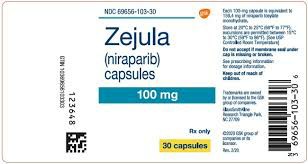
NiraparibThe original drug has been launched in China and is included in medical insurance, but reimbursement is limited to eligible patients. The price of a common specification100mg*30 capsules per box may be more than 5,000 yuan. The original niraparib drug marketed overseas is more expensive than domestically. There are also generic niraparib drugs produced in other countries. Their pharmaceutical ingredients are basically the same as those of the original niraparib drug sold domestically and abroad. The price of 100mg*30 tablets per box produced by a Bangladesh pharmaceutical factory may be more than 1,000 yuan (the price may fluctuate due to exchange rates).
[ 免责声明 ] 本页面内容来自公开渠道(如FDA官网、Drugs官网、原研药厂官网等),仅供持有医疗专业资质的人员用于医学药学研究参考,不构成任何治疗建议或药品推荐。所涉药品可能未在中国大陆获批上市,不适用于中国境内销售和使用。如需治疗,请咨询正规医疗机构。本站不提供药品销售或代购服务。


