
.jpeg)
Precautions for tisagenlecleucel
In clinical studies of Selevamine (Tisagenlecleucel), there have been warnings and precautions regarding the occurrence of cytokine release syndrome, neurotoxicity, hemophagocytic lymphohistiocytosis(HLH)/macrophage activation syndrome (MAS), allergic reactions, serious infections, long-term cytopenias, hypogammaglobulinemia, secondary malignant tumors, etc.
1. Cytokine release syndrome (CRS): includes fatal or life-threatening reactions. In patients with CRS, the main manifestations include fever, hypotension, hypoxia, and tachycardia, which may be related to liver, kidney, and cardiac dysfunction as well as coagulopathy. If the patient has unresolved serious adverse effects from previous chemotherapy (including pulmonary toxicity, cardiotoxicity, or hypotension), active uncontrolled infection, active graft-versus-host disease (GVHD), or worsening leukemic burden, delay infusion of srifuramine after lymphodepleting chemotherapy. Children and young adultsr/r Risk factors for severe CRS in the B-cell ALL population include high pre-infusion tumor burden (more than 50% blast cells in the bone marrow), uncontrolled or accelerated tumor burden after lymphopenic chemotherapy, active infection and/or inflammatory processes.
Be sure to have at least two doses of tocilizumab on site before infusing srifermin.Tocilizumab. Monitor patients 2-3 times during the first week after srifermin infusion at a REMS-certified medical facility for signs and symptoms of CRS. Monitor patients for signs or symptoms of CRS for at least 4 weeks after treatment with silevamine. At the first sign of CRS, patients are immediately evaluated for the need for hospitalization and treated with supportive care, tocilizumab, and/or corticosteroids as indicated. If signs or symptoms of CRS occur at any time, patients are advised to seek medical attention immediately.
2. Neurotoxicity: including serious or life-threatening reactions. The most common neurotoxicities include headache, delirium, anxiety, sleep disturbance, dizziness, tremor, and peripheral neuropathy. Other manifestations include seizures and aphasia. Monitor patients 2-3 times during the first week after selevamine infusion at a REMS-certified medical facility for signs and symptoms of neurotoxicity. Rule out other causes of neurological symptoms. Monitor patients for signs or symptoms of neurotoxicity for at least 4 weeks after infusion and treat promptly. Neurotoxicity should be managed with supportive care and/or corticosteroids as needed. If signs or symptoms of neurotoxicity occur at any time, advise patients to seek immediate medical attention.
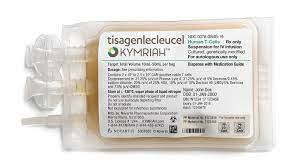
3. Hemophagocytic lymphohistiocytosis(HLH)/macrophage activation syndrome (MAS): This can be life-threatening or fatal. The patient did not develop CRS during or before HLH. Treatment of HLH should be carried out according to institutional standards.
4. Allergic reaction: Allergic reaction may occur after infusion of silevermin. DMSO or dextran 40 in silevermin may cause serious allergic reactions, including anaphylaxis. Observe patients for allergic reactions during infusion.
5. Serious infection: including life-threatening or fatal infection. Infection prophylaxis should follow local guidelines prior to srifermin infusion. Patients with active infections that are not controlled should not start treatment with srifermin until the infection has resolved. After treatment with silevermin, monitor patients for signs and symptoms of infection and initiate appropriate treatment. The patient developed febrile neutropenia (≥grade 3) after infusion of selifermin, which may occur concurrently with CRS. If febrile neutropenia occurs, evaluate for infection and manage with broad-spectrum antibiotics, fluids, and other supportive care as medically indicated.
6. Long-term cytopenia: After lymphodepletion chemotherapy and silevermin infusion, patients may experience cytopenia for several weeks. Long-term neutropenia is associated with an increased risk of infection. The use of myeloid growth factors, especially GM-CSF, is not recommended during the first 3 weeks after slevermin infusion or before resolution of CRS.
Hypogammaglobulinemia: After infusion of slevermin , patients may develop hypogammaglobulinemia and agammaglobulinemia associated with B cell aplasia. Monitor immune globulin levels after treatment with srifermin and manage using standard guidelines for infection precautions, antibiotic prophylaxis, and immunoglobulin replacement. Live vaccines are not recommended at least 6 weeks before starting lymphodepleting chemotherapy, during slevermin treatment, and until immunity has recovered after srifuramine treatment.
7. Secondary malignant tumors: Patients receiving silevermin treatment may develop secondary malignant tumors or cancer recurrence. Lifelong surveillance for secondary malignancies.
[ 免责声明 ] 本页面内容来自公开渠道(如FDA官网、Drugs官网、原研药厂官网等),仅供持有医疗专业资质的人员用于医学药学研究参考,不构成任何治疗建议或药品推荐。所涉药品可能未在中国大陆获批上市,不适用于中国境内销售和使用。如需治疗,请咨询正规医疗机构。本站不提供药品销售或代购服务。


