
.jpeg)
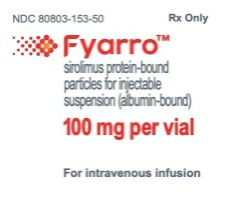
What are the precautions for sirolimus albumin-bound nanoparticle injection (FYARRO)?
In the clinical study of sirolimus albumin-bound nanoparticle injection (FYARRO), stomatitis, bone marrow suppression, infection, hypokalemia, hyperglycemia, interstitial lung disease/non-infectious pneumonia, bleeding, excessive Warnings and precautions such as allergic reactions, embryo-fetal toxicity, male infertility, immunizations and risks associated with live vaccines, risks of transmission of infectious agents and human albumin, etc. Depending on the severity of the adverse reactions, the medication needs to be discontinued, the dose resumed, or the medication permanently discontinued.
1. Stomatitis: including oral ulcers and oral mucositis, stomatitis is most often first reported within 8 weeks of treatment.
2. Bone marrow suppression: Including anemia, thrombocytopenia and neutropenia. Obtain blood counts at baseline and every 2 months during the first year of treatment and every 3 months thereafter, or more frequently if clinically indicated.
3. Infection: one case each of urinary tract infection (UTI), upper respiratory tract infection, sinusitis, pneumonia, skin and abdominal infection. Monitor patients for infections, including opportunistic infections.
4. Hypokalemia: In clinical studies, 44% of patients developed hypokalemia. Monitor potassium levels before initiating sirolimus albumin-bound nanoparticle injection and supplement potassium as medically indicated.
5. Hyperglycemia: In clinical studies, 12% of patients developed hyperglycemia. Before starting the injection of sirolimus albumin-bound nanoparticle injection, monitor fasting blood glucose. During treatment, non-diabetic patients should monitor blood glucose every 3 months or as clinically indicated. Monitor blood sugar more frequently in people with diabetes.
6. Interstitial lung disease (ILD)/non-infectious pneumonia: In clinical studies, 18% of patients occurredILD/non-infectious pneumonia, all of which were grade 1 or 2.
7. Bleeding: Sirolimus albumin-bound nanoparticle injection can cause severe and sometimes fatal bleeding. In clinical studies, 24% of patients experienced bleeding, including 2.9% of patients experiencing grade 3 and 5 events. Monitor patients for signs and symptoms of bleeding.
8. Allergic reactions: Sirolimus albumin-bound nanoparticle injection contains the active ingredient sirolimus. However, after taking sirolimus oral preparations, allergic reactions including anaphylaxis, angioedema, exfoliative dermatitis and allergic vasculitis have occurred. Hypersensitivity reactions, including anaphylaxis, have been observed when using human albumin. Monitor patients closely for signs and symptoms of infusion reactions during and after each infusion in a setting where cardiopulmonary resuscitation medications and equipment are available. Monitor patients for at least 2 hours after the first infusion and with each subsequent infusion as clinically warranted.
9. Embryo-Fetal Toxicity: Based on animal studies and mechanism of action, sirolimus albumin-bound nanoparticles when administered to pregnant womenCan cause fetal damage. In animal studies, mechanistic target of rapamycin kinase (mTOR) inhibitors caused embryo-fetal toxicity when administered during organogenesis at maternal exposures equal to or less than the human exposure at the recommended minimum starting dose. Inform pregnant women of potential risks to the fetus. Advise females of reproductive potential to avoid pregnancy and to use effective contraception during treatment with the drug and for 12 weeks after the last dose.
10. Male infertility: Patients treated with sirolimus albumin-bound nanoparticle injection may develop azoospermia or oligozoospermia. Sirolimus Albumin-Bound Nanoparticle Injection is an antiproliferative drug that affects rapidly dividing cells, such as germ cells. Advise men who are partners of a female of reproductive potential to use effective contraception during treatment and for 12 weeks after the last dose of the drug.
11. Immunizations and risks associated with live vaccines: Immunizations during treatment with sirolimus albumin-bound nanoparticle injection may be ineffective. If possible, update immunizations according to immunization guidelines before initiating medications. It is not recommended to receive live vaccines during treatment, and to avoid close contact with people who have received live vaccines during sirolimus albumin-bound nanoparticle injection. The time interval between live vaccine administration and initiation of use should be consistent with current vaccination guidelines for patients receiving immunosuppressive therapy.
12. Risk of transmission of infectious factors and human albumin: Sirolimus albumin-bound nanoparticle injection contains human albumin, a derivative of human blood. Due to efficient donor screening and product manufacturing processes, human albumin carries only a small risk of transmitting viral disease. The theoretical risk of Creutzfeldt-Jakob disease (CJD) transmission is also considered extremely minimal. There have been no cases of viral disease or transmission of Creutzfeldt-Jakob disease associated with albumin.
[ 免责声明 ] 本页面内容来自公开渠道(如FDA官网、Drugs官网、原研药厂官网等),仅供持有医疗专业资质的人员用于医学药学研究参考,不构成任何治疗建议或药品推荐。所涉药品可能未在中国大陆获批上市,不适用于中国境内销售和使用。如需治疗,请咨询正规医疗机构。本站不提供药品销售或代购服务。


