
.jpeg)
Safety and effectiveness of long-acting pirfenidone preparation PR-PFD in the treatment of COVID-19 pulmonary fibrosis
One of the major concerns arising from the acute sequelae of COVID-19 (PASC) is the development of pulmonary fibrosis, a disease for which there is currently a lack of approved drug treatments. In an open-label study, researchers sought to evaluate the safety and potential clinical efficacy of pirfenidone extended-release formulation (PR-PFD) in patients with PASC-related pulmonary fibrosis.
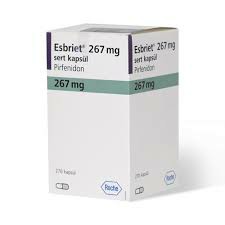
Patients diagnosed with PASC pulmonary fibrosis received PR-PFD at a dose of 1800 mg/day (1200 mg in the morning after breakfast and 600 mg in the evening after dinner) for three months. Blood samples were collected to confirm the pharmacokinetics of PR-PFD and adverse events (AEs) were monitored monthly using a brief questionnaire. Symptom severity, dyspnea, and lung function tests (spirometry, carbon monoxide diffusing capacity, plethysmography, and 6-minute walk test [6MWT]) were assessed at baseline, one month, and three months after initiating PR-PFD treatment.
Seventy subjects with mild to moderate lung limitation were included in the study. The most common AEs reported were diarrhea (23%), heartburn (23%), and headache (16%), none of which required study modifications to the drug. Two patients died within the first 30 days of enrollment and three patients chose not to continue on the study, but these events were not related to PR-PFD. After three months of PR-PFD treatment, lung function tests, 6MWT, dyspnea, symptoms and CT scan results showed significant improvements.
In patients with pulmonary fibrosis with acute sequelae of COVID-19 (PASC), three months of PR-PFD treatment is safe and shows efficacy. However, further research is needed to determine whether the pulmonary fibrotic process remains stable, progresses, or improves over time.
[ 免责声明 ] 本页面内容来自公开渠道(如FDA官网、Drugs官网、原研药厂官网等),仅供持有医疗专业资质的人员用于医学药学研究参考,不构成任何治疗建议或药品推荐。所涉药品可能未在中国大陆获批上市,不适用于中国境内销售和使用。如需治疗,请咨询正规医疗机构。本站不提供药品销售或代购服务。


