
.jpeg)
Combination therapy with nintedanib plus pirfenidone is well tolerated in IPF
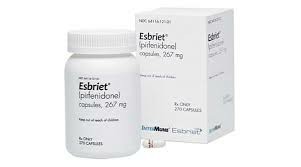
In patients with idiopathic pulmonary fibrosis (IPF), treatment with Nintedanib plus pirfenidone resulted in adverse event rates similar to monotherapy. However, according to the researchers, taking nintedanib and pirfenidone (both antifibrotic drugs with different pharmacodynamics) together increased the rate of treatment discontinuation due to adverse events. Combining drugs also appeared to improve efficacy in two studies, although the studies were smaller and had fewer patients. In terms of adverse events, combination therapy and monotherapy appear to have very similar profiles, however, patients receiving combination therapy were more likely to experience adverse events leading to discontinuation from combination therapy to monotherapy.
Seven studies evaluated the combination of nintedanib (200 mg to 300 mg daily) and pirfenidone (600 mg to 2400 mg daily) in 238 patients (mean age 68.2 years; 79% men) to determine the incidence of adverse events and the effectiveness of this combination therapy in this patient population. The studies varied in design and included three retrospective observational cohort studies, two open-label randomized controlled trials (RCTs), one open-label single-arm clinical trial, and one double-blind RCT. Three of the seven studies directly compared combination therapy with monotherapy. The studies were followed for an average of 7.5 months, with patients receiving combination therapy for an average of 4.5 months.
Across the entire cohort, the predicted value of mean forced vital capacity (FVC) was 71.3% (95% CI, 64.1%-78.5%) and the predicted value of mean diffusing capacity of lung carbon monoxide was 48.2% (95% CI, 45.2%-51.2%). Treatment-related adverse events occurred in the majority of patients (79%; 95% CI, 70%-88%) taking nintedanib and pirfenidone concomitantly. Diarrhea was the most common event, reported in 41% of patients, followed by nausea (35%), vomiting (22%), loss of appetite (19%), fatigue (15%), elevated liver enzymes (8%), and photosensitivity (7%). The researchers further found that adverse events caused 24% of patients to discontinue treatment, with 3% of patients experiencing serious adverse events.
Notably, when the researchers used data from just three studies comparing combination therapy and monotherapy, they found comparable rates of adverse events between the two groups (79%; 95% confidence interval, 56%-91% vs. 81%; 95% CI, 58%-92%). The incidence of serious adverse events was comparable among patients who received combination therapy and those who received monotherapy (5%; 95% confidence interval, 2%-14% vs. 9%; 95% CI, 4%-18%). However, the percentage of patients who experienced an adverse event leading to treatment discontinuation was 35% (95% CI, 21%-52%) of patients receiving combination therapy and 11% (95% CI, 5%-24%) of patients receiving monotherapy.
In terms of efficacy, combination therapy appears to be more effective than monotherapy. Specifically, two studies showed that combination therapy resulted in a significantly lower rate of decline in mean forced vital capacity compared with monotherapy (120.5 mL/year vs. 310 mL/year; P=0.0130.12% predicted/month vs. 0.41% predicted/month; P=0.045).
[ 免责声明 ] 本页面内容来自公开渠道(如FDA官网、Drugs官网、原研药厂官网等),仅供持有医疗专业资质的人员用于医学药学研究参考,不构成任何治疗建议或药品推荐。所涉药品可能未在中国大陆获批上市,不适用于中国境内销售和使用。如需治疗,请咨询正规医疗机构。本站不提供药品销售或代购服务。


