
.jpeg)
Tepotinib continues to show positive results in METex14-skipped NSCLC
Long-term data fromPhase 2 VISION trial (NCT02864992) shows that patients with locally advanced or metastatic MET exon 14 (metex14)-skipping In patients with non-small cell lung cancer (NSCLC), treatment with tepotinib (Tepotinib) has strong and durable clinical activity, especially in the setting of no treatment. Results from Cohort C of the non-randomized trial (including161 patients) showed that at a median follow-up of 18 months, each treatment The objective response rate (ORR) was 55.9%, and the median duration of response (mDOR) was 20.8 months. These data support previous results from cohort A (n=152) of this trial.
In Arms A and C, among the 164 treatment-naïve patients evaluated, the ORR was 57.3% (95% CI, 49.4%-65.0%) and the mDOR was 46.4 months (95% CI, 13.8-not evaluable). In previously treated patients (n=149), an ORR of 45.0% (95% CI, 36.8%-53.3%) and mDOR of 12.6 (95% CI: 9.5-18.5) months were observed. These data are particularly meaningful for patients with MET exon 14 skipping-positive non-small cell lung cancer. According to recent prospective study reports, overall survival in elderly patients can be as short as8-10 months, so a median overall survival (OS) rate of 20 months is encouraging, especially in long-term follow-up.
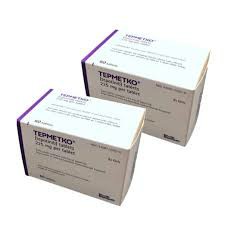
This non-randomized, multiple short-term, open-label, multicenter vision study was designed to evaluate the safety and efficacy of the potent and highly selective MET inhibitor tepotinib in patients with non-small cell lung cancer who skipped METex14. Cohort C of the study was a separate cohort designed to confirm the findings of study cohort A. Patients were eligible for inclusion in the study if they were 18 years of age or older, had measurable disease, an ECOG performance status of 0 or 1, histologically or cytologically confirmed advanced NSCLC, and were first-line treatment-naïve or pre-treated with no more than 2 lines of prior therapy. 2 patients need to have MET changes, especially METex14 skip changes.
A total of 313 patients were included in Group A and Group C, and the baseline characteristics of the two groups were basically the same. A total of 50.8% of the patients were female, 33.9% were Asian, and the median age of the selected patients was 72 years old (range41-94 years old). A total of47.6% of patients had a history of smoking, 73.8% had an ECOG performance status of 1, and 80.5% had adenocarcinoma. In this study, patients received tepotinib at a dose of 500 mg (450 mg active moiety) once daily. The primary endpoint was ORR as assessed by an independent review committee, and secondary endpoints included DOR, progression-free survival (PFS), overall survival (OS) and safety.
Additional study results showed that the median follow-up time of the two cohorts was 32.6 months (range 0.3-71.9), ORR was 51.4% (95% CI, 45.8%-57.1%), and mDOR was 18.0 (95% CI), 12.4-46.4) months. The median PFS was 11.2 months (95% CI, 9.5-13.8), and the median OS was 19.6 months (95% CI, 16.2-2.9).
In terms of safety, treatment-related AEs (TRAEs) occurred in 287 (91.7%) patients in Groups A and C. Grade 3 or higher TRAEs were observed in 109 (34.8%) patients. A total of 105 patients (33.5%) had dose reductions and 46 patients (14.7%) discontinued treatment due to TRAEs. The most common TRAE in 67.1% of patients was peripheral edema. Thirty-five (11.2%) patients had peripheral edema grade 3 or greater. Other TRAEs occurring in more than 20% of patients included hypoalbuminemia (23.6%), nausea (23.3%), diarrhea (22.4%), and increased serum creatinine levels (22.0%). Most of these TRAEs are Level 1 to 2.
Overall, this study is the largest known clinical trial of patients with non-small cell lung cancer who skippedMETex14. The data support the global approval of tepotinib and its use in this patient population.
[ 免责声明 ] 本页面内容来自公开渠道(如FDA官网、Drugs官网、原研药厂官网等),仅供持有医疗专业资质的人员用于医学药学研究参考,不构成任何治疗建议或药品推荐。所涉药品可能未在中国大陆获批上市,不适用于中国境内销售和使用。如需治疗,请咨询正规医疗机构。本站不提供药品销售或代购服务。


