
.jpeg)
Tepotinib combined with osimertinib may provide a chemotherapy-free option for patients with non-small cell lung cancer after first-line osimertinib treatment
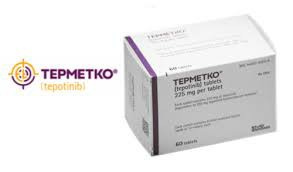
In a study for patients with advanced EGFR mutant MET amplified non-small cell lung cancer (NSCLC) Combination treatment with tepotinib and osimertinib has proven effective in phase 2 clinical trials in patients whose disease has progressed on first-line treatment with osimertinib.
The INSIGHT 2 trial enrolled patients with locally advanced or metastatic, EGFR-mutated, MET-amplified NSCLC and acquired resistance to first-line osimertinib. Patients had MET amplification detected byFISH (n=98), liquid biopsy (n=31), or both (n=24). The median age of patients at baseline was 61 years (range, 20-84 years), 57.8% were female, 67.2% had never smoked, and 35.2% had brain metastases. These patients received tepotinib (daily500mg) and osimertinib (daily80mg).
Among the 98 patients with MET amplification detected by FISH, the objective effective rate (ORR) was 50.0%. All 49 responders had partial responses. The median duration of response was 8.5 months. The median progression-free survival (PFS) was 5.6 months, and the median overall survival (OS) was 17.8 months. Among the 31 patients for whom MET amplification was detected by liquid biopsy, the ORR was 54.8%. The median duration of response was 5.7 months. The median PFS was 5.5 months and the median OS was 13.7 months. Among 24 patients with evaluable brain metastases with MET amplification detected by FISH, the intracranial ORR was 29.2%. 6 cases had complete remission and 1 case had partial remission. The duration of intracranial response was not reached, and the intracranial median PFS was 7.8 months.
The incidence of treatment-related adverse events was 88.3%, and the incidence of grade 3 or above adverse events was 34.4%. The most common symptoms were diarrhea (49.2%), peripheral edema (40.6%), paronychia (22.7%), and nausea (21.1%). The most common grade 3 or higher TRAEs were peripheral edema (4.7%) and decreased appetite (3.9%). TRAEs resulted in treatment discontinuation in 10.2% of patients. Four patients developed fatal TRAEs that were considered potentially related to either study drug.
Based on these results, it was concluded that tepotinib plus osimertinib had a manageable safety profile and demonstrated robust and durable efficacy in this trial.
[ 免责声明 ] 本页面内容来自公开渠道(如FDA官网、Drugs官网、原研药厂官网等),仅供持有医疗专业资质的人员用于医学药学研究参考,不构成任何治疗建议或药品推荐。所涉药品可能未在中国大陆获批上市,不适用于中国境内销售和使用。如需治疗,请咨询正规医疗机构。本站不提供药品销售或代购服务。


