
.jpeg)
Sotorasib effects and uses
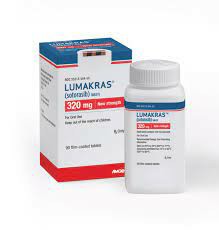
Sotorasib is a targeted drug used to treat a specific genetic mutation in non-small cell lung cancer (NSCLC), namely the KRAS G12C mutation. KRAS G12CMutations are common in a variety of cancers but have long been considered difficult to target effectively. The emergence of sotoracib represents a new treatment option for this mutation.
1. Mechanism of action: The main effect of sotorasiib is to inhibit the activity ofKRAS G12C mutant. KRAS is a key protein in the cell signaling pathway, responsible for regulating cell growth and division. When the KRAS gene undergoes a G12C mutation, it will cause abnormal signaling and promote uncontrolled growth of cancer cells. Sotoracib binds to the KRAS G12C mutant and inhibits its activity, thereby blocking abnormal signaling pathways and slowing down the proliferation of cancer cells.
2. Indications: The main use of sotorasiib is the treatment of KRAS G12C mutated non-small cell lung cancer. This gene mutation is relatively common in patients with NSCLC, and the emergence of sotorasiib provides a new treatment option for patients with this subtype. Because the KRAS G12C mutation is present in other cancers, the efficacy and use of sotoraxib may be expanded to other cancer types in future studies.
3. Clinical trials and efficacy: The efficacy of sotoraxib is mainly evaluated through clinical trials. Early clinical trial results show that sotoraxib exhibits certain anti-tumor activity in patients with KRAS G12C mutated NSCLC. Some patients have observed tumor shrinkage or stabilization after treatment, providing a new treatment option for patients with this specific subtype.
4. Usage and dosage: Sotoraxib is usually an oral medication that patients need to take regularly as recommended by their doctor. The dosage is usually adjusted based on the patient's physical condition, tolerance, and clinical response. Patients need to be monitored by a doctor regularly during medication to ensure the effectiveness of the medication and adjust the dosage in a timely manner.
5. Side Effects: As with any drug, sotoraxib may cause some side effects. Common side effects include fatigue, nausea, diarrhea, rash, etc. During the medication period, patients need to pay close attention to changes in their body and report any symptoms of discomfort to their doctor in a timely manner. Doctors will use the patient's response to decide whether the dosage needs to be adjusted or other measures taken to manage side effects.
6. Safety and Monitoring: Doctors will regularly monitor the patient's physical condition and the development of cancer while using sotoracib. This includes laboratory tests, imaging tests, etc. Through regular monitoring, doctors can detect potential problems in time and adjust treatment plans to ensure patients get the best results.
7. Future Outlook: With further research and clinical practice experience accumulation of sotoraxib, we are expected to gain a more comprehensive understanding of its role in the treatment of non-small cell lung cancer. In the meantime, the drug may find wider use in other cancer types. This discovery provides a more precise treatment method for tumors caused by genetic mutations and marks an important progress in personalized medicine.
Taken together, sotoracib is an innovative therapeutic drug for KRAS G12Cmutated non-small cell lung cancer, and has the potential to change the paradigm of cancer treatment. Under the guidance of a doctor, patients can use it reasonably according to their individual conditions, hoping to bring better therapeutic effects to KRAS G12CmutantNSCLC patients.
The original drug of sotorasibu has not yet been launched in China, so patients cannot purchase it domestically and need to purchase sotorasibu through overseas channels. The price of the original research version of sotorasibu in Hong Kong, China, as 120mg*240 tablets, is around 8 million, and the price of the European version of the original research version of the same specification is about 4Around 10,000 yuan, the price is relatively expensive. The cheaper ones are the generic drugs marketed abroad. For example, the price of generic drugs in Laos and Bangladesh is around two to three thousand yuan. The price is relatively cheap, and the ingredients of foreign generic drugs are basically the same as the original drugs.
[ 免责声明 ] 本页面内容来自公开渠道(如FDA官网、Drugs官网、原研药厂官网等),仅供持有医疗专业资质的人员用于医学药学研究参考,不构成任何治疗建议或药品推荐。所涉药品可能未在中国大陆获批上市,不适用于中国境内销售和使用。如需治疗,请咨询正规医疗机构。本站不提供药品销售或代购服务。


