
.jpeg)
Nivolumab plus cabozantinib brings long-term benefits to patients with advanced kidney cancer
The combination of nivolumab and cabozantinib provides longer-term benefits than sunitinib as a first-line treatment for advanced renal cell carcinoma (RCC), according to new results from the Phase 3 CheckMate 9ER trial. Previous results from the trial showed the combination improved progression-free survival (PFS), overall survival (OS) and objective response rates (ORRs) compared with sunitinib.
The researchers reported the latest efficacy and safety data from the trial in a poster presented at the 2023 IKCS North America meeting. In CheckMate 9ER (Identifier: NCT03141177), 651 patients with previously untreated advanced renal cell carcinoma were randomly assigned to receive nivolumab plus cabozantinib (n=323) or sunitinib monotherapy (n=328). Cabozantinib and sunitinib were administered until disease progression or unacceptable toxicity. Nivolumab can be administered for up to 2 years.
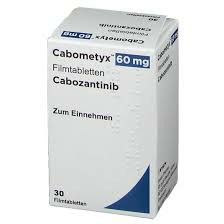
In this updated analysis, the median PFS was 16.6 months in the nivolumab-cabozantinib group and 8.4 months in the sunitinib group (hazard ratio [HR], 0.59; 95% confidence interval, 0.49-0.71). The 18-month PFS rates were 47.0% and 26.9% in the nivolumab-cabozantinib group and sunitinib group, respectively. The 36-month PFS rates were 23.2% and 11.3%, respectively. Median OS was 49.5 months in the nivolumab-cabozantinib group and 35.5 months in the sunitinib group (HR, 0.70; 95% confidence interval, 0.56-0.87). The 18-month OS rates of the nivolumab-cabotinib group and the sunitinib group were 79.0% and 68.8%, respectively. The 36-month OS rates were 58.7% and 49.5% respectively. The ORRs in the nivolumab-cabozantinib group and the sunitinib group were 56.0% and 28.0%, respectively (odds ratio, 3.4; 95% confidence interval, 2.4-4.7). The complete response rates were 13.3% and 4.9%, respectively. The median duration of response was 22.1 months and 16.1 months, respectively.
Across all risk groups, nivolumab-The ORR of the cabozantinib group was better than that of the other groups. In the intermediate-risk, low-risk, and intermediate/low-risk combination categories, PFS and OS results favored the nivolumab-cabocentinib arm. According to the researchers, there are no new safety signals. The most common grade 3 or higher treatment-related adverse event was hypertension (affecting 13% of patients), followed by palmar-plantar red blood cell dysesthesia (affecting 8% of patients). These results continue to support nivolumab plus cabozantinib as a first-line treatment option for patients with advanced or metastatic RCC.
[ 免责声明 ] 本页面内容来自公开渠道(如FDA官网、Drugs官网、原研药厂官网等),仅供持有医疗专业资质的人员用于医学药学研究参考,不构成任何治疗建议或药品推荐。所涉药品可能未在中国大陆获批上市,不适用于中国境内销售和使用。如需治疗,请咨询正规医疗机构。本站不提供药品销售或代购服务。


